
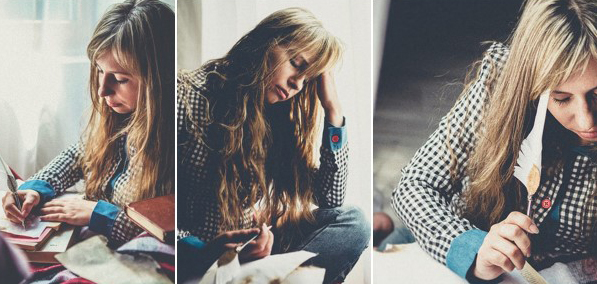
Gwynn Scheltema
Okay, I know; I know. New Year is yelling out “GOALS” and “RESOLUTIONS”, and no one really wants to hear it, least of all me. But when I got to thinking about it, I realized I have a few ongoing goal-setting and goal-achieving tools in place already. And they work! So I thought I’d share them with you.
Little and often
While I’m a great supporter of having big long-term goals and a vision of where you want to go in life, I find that sometimes the big picture can be overwhelming. I believe that those big concepts should be the background canvas on which you paint in the details as you go—and re-paint them if you choose.
 The writing critique group I belong to understands this perfectly. We meet every two weeks and at the end of each meeting we all set a writing goal for the next two weeks only. We each set our own goal depending on what we are working on at the time and what is happening in our lives.
We encourage specificity— “5000 words” or “edit 3 chapters” or “fill plot hole in Chapter 7 or “four meaningful bum-in-chair sessions”. At the next meeting if we miss our goal, we pay up to a charity fund. But we also encourage life balance. It’s okay to not set a goal if your life dictates. We also recognize that sometimes “thinking about” a plot or character qualifies as long as sooner or later that turns into “writing about.”
This system works because it is frequent, achievable, and there is accountability. Small goals and small successes that add up over time.
Eat that Frog
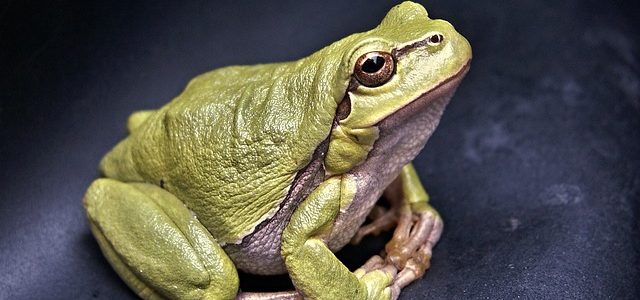
Mark Twain once said that if you start the day by eating a frog you will have the satisfaction of knowing that this was probably the worst thing you had to do that day. The frog is a metaphor for your biggest and most important task of the day and has become a popular procrastination-busting technique.
 When I’m trying to avoid that “frog”, I play solitaire, disappear into social media or sort the kitchen junk drawer or….. I’m sure you have equally pointless—and time consuming—avoidance tactics.
Learning the skill of attacking the most important task first (writing related or not) and getting it out of the way frees you up. You’ll have more time, less guilt and a clear mind to be creative. It’s a skill that helps you accomplish whatever you set as your priorities—including your goals.
It does take practice, but like anything in life, the more you consciously do it, the easier it becomes. Most writers can perform to a deadline. Perhaps putting your own deadline on your “frogs” will help?
Make your bed
 Now this may seem contradictory to the “eat the frog” principle, but getting through your to-do list and achieving your goals begins with making your bed.
Your mom probably drilled that in to you, but the idea came back into popularity with Navy SEAL Admiral McRaven’s speech to grads in 2014: “If you want to change the world, start off by making your bed. If you make your bed every morning, you will have accomplished the first task of the day. It will give you a small sense of pride, and it will encourage you to do another task, and another, and another.”
All I know, it works for me.
Your frog for today
 So there you have it.
Today, go make your bed, then sit down and decide on a reasonable achievable goal to be accomplished within the next two weeks. Then break it down into what needs to be done first, and then next, and next after that….
Tomorrow, make your bed, look to see what is #1 on that list and eat that frog.
Day after tomorrow, eat frog #2
Rinse and repeat…rinse and repeat…
DID YOU KNOW
 A writing retreat is a great way to focus on your writing projects and goals and registration for Writescape’s Spring Thaw 2018 is now open, and already half full.
This all-inclusive writing retreat is held at the fabulous Elmhirst’s Resort on Rice Lake in Keene. Stay for the weekend or treat yourself to an extra two days of writing.
-
- 10-page manuscript evaluation with written feedback from Ruth and Gwynn
- one-on-one manuscript consultation with either Gwynn or Ruth
- private writing time
- optional daytime creativity sessions to fire up your pen
- a companion workbook with inspiration, prompts and supports
- optional evening activities to network and share ideas and inspiration with retreat colleagues
- comfortable cottages with wood-burning fireplace
- first-class amenities and delicious meals
 At present I am perusing Penelope Lively’s memoir,
  Lively has always been deeply interested in time, memory and context. “A lifetime is embedded; it does not float free; it is tethered to certain decades, to places, to people…” Though she read history at University, she has had a life-long interest in archeology. Artefacts and the physical evidence of the past which she examined in
  She explores the operation of memory, and how it affects people, in her novels. “You can make lavish use of it, allowing it to direct what happens or simply evoke what has once happened to flesh out a character, or give added meaning to what a person does or thinks. It is the essential secret weapon for a novelist.”
 Then Lively considers the importance of reading and how that has shaped her life. Living, always, in a house full of books, she knows that the “inferno of language” sitting on her shelves, is sorted by the mind; much is discarded, forgotten, but a “significant amount, becomes, that essential part of us—what we know and understand and think about above and beyond our own immediate concerns. It has become the life of the mind.
 In her final chapter, Lively returns to the topic of identity. In picking out six objects she values and which “articulate something of who I am” she gives the reader another look at herself, the interests of a lifetime and how her imagination works.

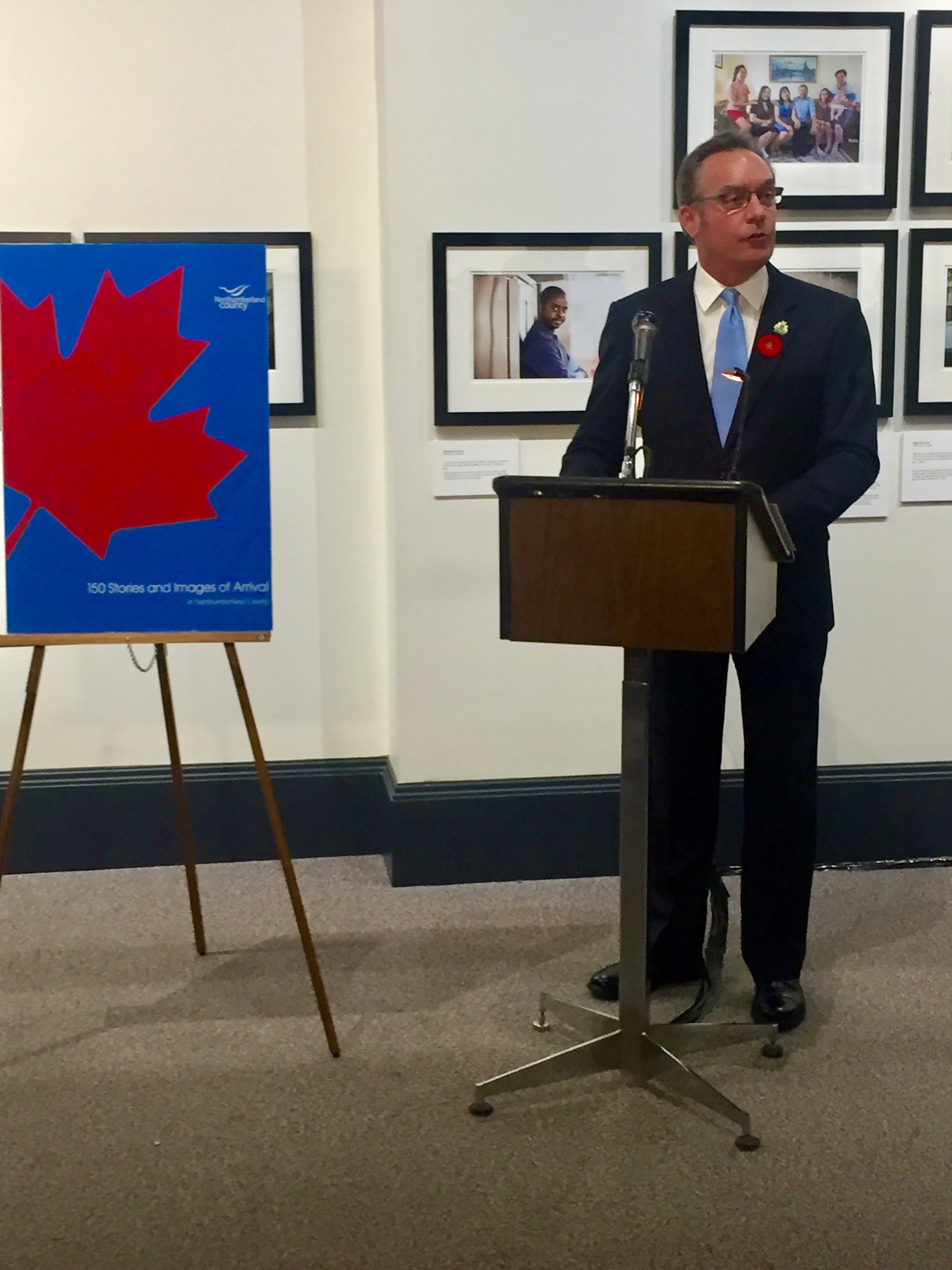 We were gathered at the
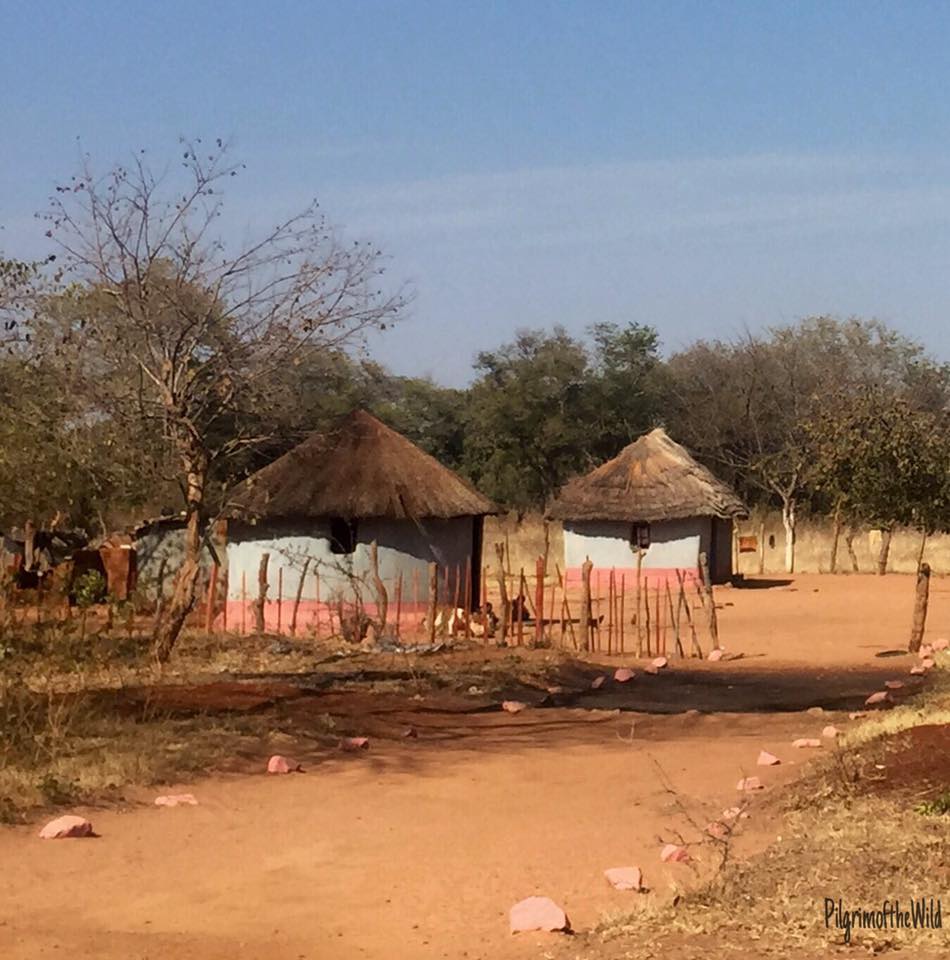
 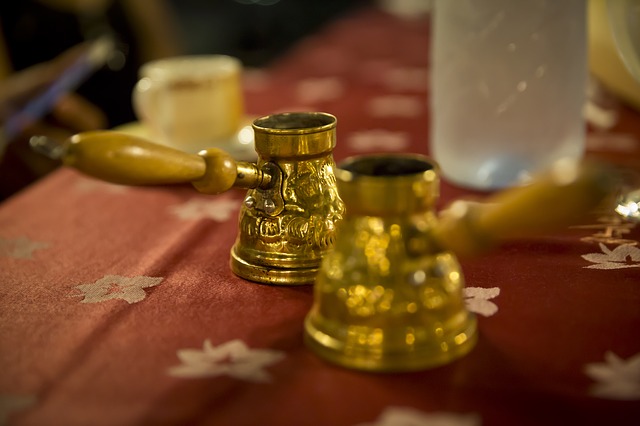 The objects chosen by the contributors ran the gamut of wooden carvings to a chess set; from a mason’s picks to a hand-made hammered brass coffee pot; from a document of Settlers’ Effects to a framed record of a family tree going back seven generations to 1730.
 A little green frog
 The whole process of choosing my symbolic object and then writing the story of how it had formed a transition from one period of my life to another was humbling. I was forced to strip way so many layers, to decide what was important to me—then and now.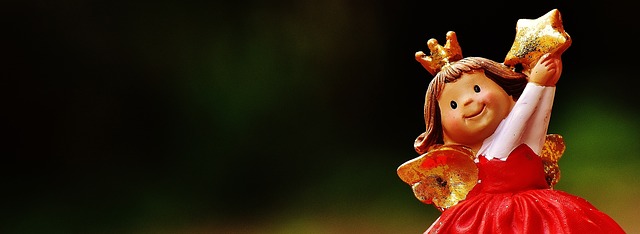


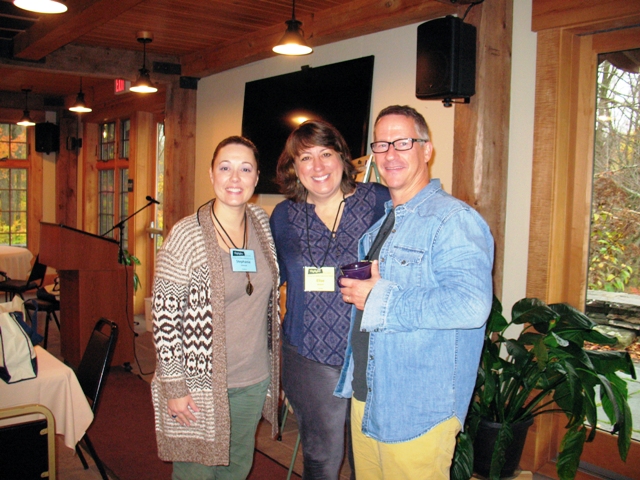


 Recently, I had the privilege of participating in Indie Author Day at the Pickering Central Library. Sponsored by the PineRidge Arts Council, its purpose was to bring independent and micro-published authors together under a single roof to share ideas and lamentations about this journey we call writing.
 Most of the speakers at Indie Author Day touched on the fact that indie books have a hard time finding a home in libraries and book stores large and small. There is a very good reason for this. Curated decisions at macro and micro levels are always informed by history and convention. What worked last year will continue to work in subsequent years until new factors change the conversation.
 But times are changing and Indie authors in the digital age are in a unique position to pioneer the next wave by reaching where they could not before. Heavy oak doors barred, locked and guarded by agents and executives fall away when the author, published or not, has access to millions of readers via Internet platforms. Promoting in the safety and comfort of one’s home is the best place to start building the profile that grows the brand.
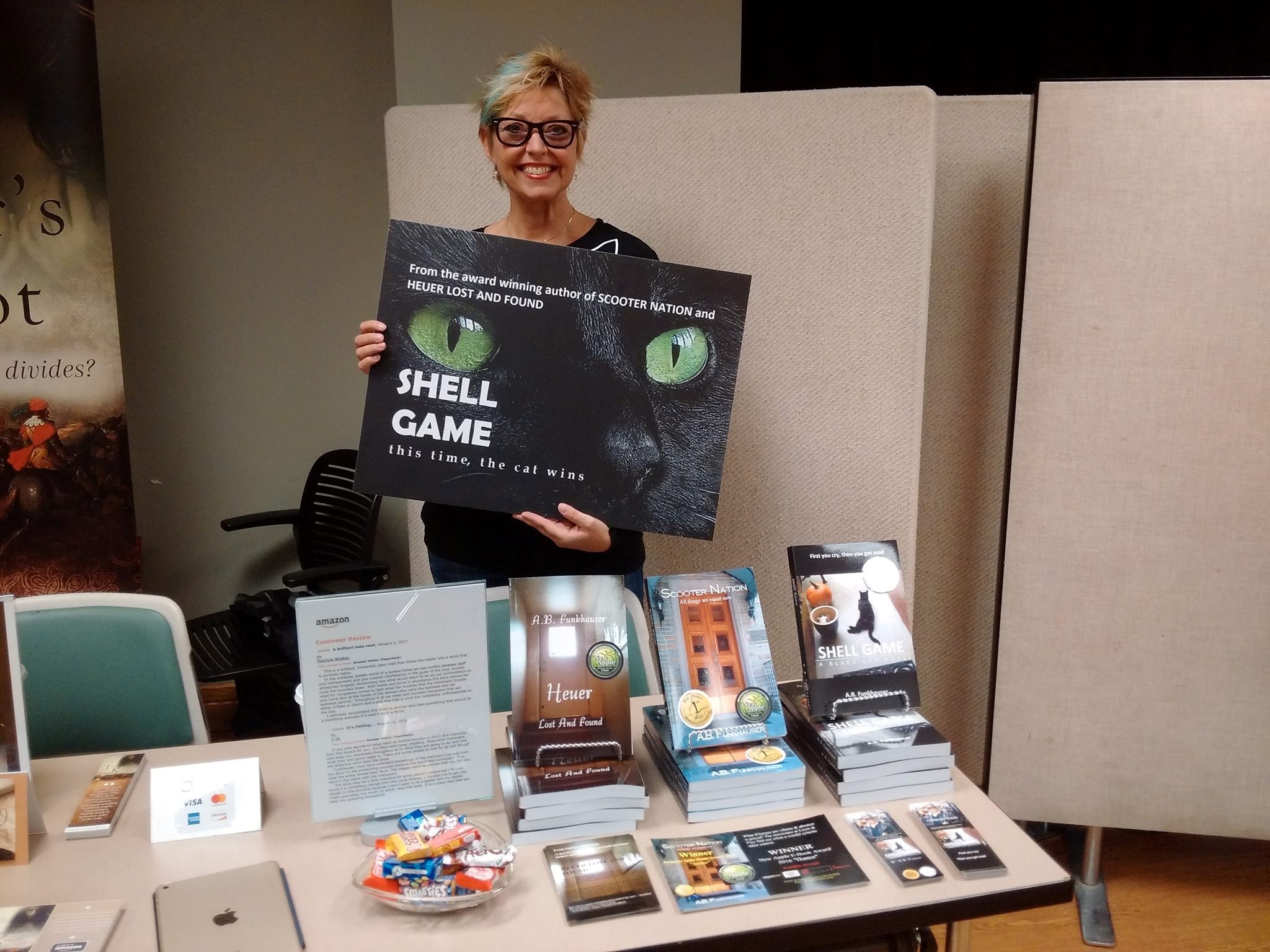 Like a politician with a constituency, independent authors need followers as a first step to developing “cred” for the words they write. As I explained more than once on Indie Author Day, we can write the best novel, screenplay, short story or poem, but no one will know if we do not get out there and let people know.
 Publishing models in the Indie world present many formulas. My publisher says “seven years or five books” before anything happens. Whatever is served up, writers should not be discouraged. Time is an opportunity not just to write, but to build brand and the followers who support and advance it.
 Toronto born
 Whenever I travel, I visit gardens; I seek them out in concrete-jungle cities and have a vast one of my own. My mother and grandmother taught me to create landscapes that worked with nature, not against it. They taught me how to create a green space with soul. And I realized as I looked at this tiny urban gem on my walk, that creating a garden that has a heart is very much like writing.
 We all have big writing dreams: maybe the next best seller, perhaps an award or earning enough to live on. But on any given day, don’t worry about what seems unattainable. Work with what you have.
 Not everything we write is worth keeping, but often you write a really good scene or stanza that just doesn’t fit with the piece or poem you’re working on. It might even be one of your proverbial “darlings.”
 But you’ll find that you get more out of your writing community when you contribute: give of your time, your expertise and your encouragement and support. We all have high and low times as writers and whether you need someone to help you with a practical plot problem, to celebrate a success or just give you a kick in the pants to submit or get writing, your writing tribe are the best people to do it. But, offer the same to other writers. I know that over the years, I’ve learned more about the craft by talking to fellow writers and giving feedback to others than from any book.
 Without planning and fertilizing, weeding and maintaining, gardens wither or become something else you have no use for. Your writing, like any art form, is the same. You wouldn’t expect to play the piano well without practising regularly. Writing is no different. Write, write and write some more. Plan writing time into your schedule. Fertilize your craft with workshops, reading and communing with fellow writers. Weed out all your negative attitudes about not being good enough. And fill your creative well often.
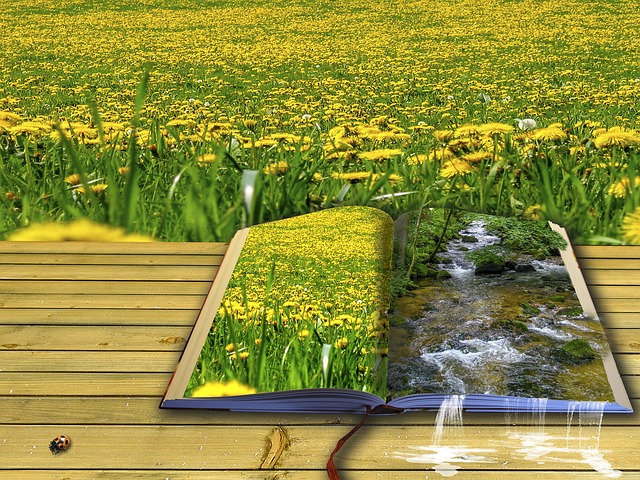 I also like the books I read to be set in exotic places, in other cultures, and affected by political or natural turmoil that I am never likely to be faced with. I like to learn about other customs and occupations.
  The first one:
 The next:
  And the third:
  Who knows, you may discover a new genre that really speaks to you. Perhaps that coming-of-age story you’ve been struggling with as an historical romance might be better reworked as a dystopian YA. But you have to read some dystopian YA to find out.


