

Gwynn Scheltema
In a course I teach on effective description, I talk about “purple prose” and invariably I’m asked what that means. To me, purple prose is writing that is so excessive, elaborate or flowery that it calls attention to itself and breaks the flow of the story. It’s usually recognizable by the excessive use of sensory detail.
But hang on…isn’t the use of sensory detail a mark of good writing? Absolutely! Using all the senses and painting with words through simile and metaphor makes for rich, engaging narrative. The operative word in my comment “usually recognizable by the excessive use of sensual detail” is the word “excessive”.
So how do you know what is enough and what is excessive?
Let’s find out by looking at this paragraph of purple prose:
The pretty young girl sat delicately on the lush green grass under the old gnarled oak tree. The starlings sang excitedly above, and the air was filled with the perfume of wildflowers. Overhead the fluffy white clouds drifted gently, and the sun shone brightly in the blue summer sky. She felt happy. She turned coyly to the boy beside her and said hesitantly in her high sing-song voice, “Would you like a bite of this sweet juicy apple?”
At first glance, it seems to follow the guidelines for “good” writing. We have colour and sound and smells and textures. We have emotion and interaction. But for all that, it sounds amateurish. It’s awkward to read.
Here are five tips to recognize and overcome purple prose:
1 + 1 = ½
The first thing to notice is the proliferation of adjectives. When it comes to adjectives, I always say that “one plus one equals a half”. By that I mean that if you use more than one adjective to describe something, you dilute the effectiveness of each adjective. This happens, because the reader must process both adjectives separately with the noun it describes. The mind must process “the girl is pretty” and then “the girl is young”. It’s too much, and slows the reader down. In this paragraph, there are seven instances of this. (Can you find them?)
Instead use just one adjective and if possible choose a stronger noun to convey the other descriptor. “Pretty young girl” could become “pretty teenager”. “Lush green grass” doesn’t need the word “green”, because “lush” says it all. Likewise, you wouldn’t expect a summer sky to be anything but blue.
Kill “descriptor” adverbs.
Note I said “descriptor” adverbs (my own label, by the way). I don’t condemn all adverbs. Adverbs like daily and often have a role to play in showing, time and frequency etc. by answering the questions of when? and how? It’s the ones that answer the question: in what way? that cause the problem. In our sample paragraph, “sat delicately” is a case in point. It’s much stronger and easier for the reader to process, if you ditch the adverb altogether and strengthen the verb to “perched” or “poised”. The starlings might “chatter” or “chirp” or “chorus” rather than “sing excitedly”. You could use a phrase like “the girl curled her legs under her”.
Swap out cliché.
A cliché is a descriptive phrase that once was a great way to describe something but which has been so over-used that it no longer has any effect on the reader except to draw attention to itself and pull the reader out of the narrative. This sample uses the cliché “fluffy white clouds”.
It would be simple to say, “Find another way to describe the clouds,” and that would be valid, but I think it goes deeper than that. I believe that you should swap out cliché with details that are not already supplied automatically by the reader. If you mention a summer day, most people will automatically imagine blue skies, hot sun and fluffy white clouds. Pump up your writing by supplying a detail they may not imagine and therefore will notice, say, “a pair of tangled dragon flies”. Not only does this give a unique detail to the scene, it can also do double duty in mirroring or echoing the story thread of these two young people alone together.
Show Don’t Tell
Yes, I know, you’ve heard it before, but it’s true. This entire paragraph is tell. The reader is being told what everything looks like and what the characters are doing and how they are feeling. We are observers only, not participants in the story. We can only guess at the character’s thoughts and motivations.
This piece would be stronger if we saw at least some of the scene through the eyes and thoughts of one of the characters. That way, we get a feel for how the character feels, and this is heightened by descriptive details that the character would notice in that emotional state. Make the characters real. Give them names and thoughts and gestures.
To recognize “tell” look for places where emotions are named: “She felt happy”. Ask yourself: What does happy look like in this situation? What would she be thinking at this moment? What body language might she use? What sensory details would she notice?
Alice watched two dragonflies flit in a tangled dance near Robbie’s red face—whether from the summer heat or embarrassment, she couldn’t tell.
So what?
No matter how powerful the description, it has to have a purpose. Don’t describe for the sake of it, just to paint a setting. Always have a second purpose. As I said in my post Been There, use brief, targeted description to create atmosphere, to mirror emotion, to illuminate character or advance plot.
So let’s have another crack at the sample paragraph:
 Alice curled her legs under her and lowered herself to the lush grass as close to Robbie as she could manage without startling him and breathed in the sweet smell of crushed wildflowers. Robbie closed his eyes and settled back against the ancient oak, folding his farmer-tanned arms behind his head. She watched two dragonflies flit in a tangled dance near Robbie’s red face—whether from the summer heat or embarrassment, she couldn’t tell. She hoped it was the latter. What now? Should she say something? But what? Above the chattering starlings seemed to egg her on. She reached into the picnic basket, swallowed hard and said in a voice she barely recognized as her own, “Want a bite of my apple?”
Better?
Have a go yourself. How else could this paragraph be written? Paste your version in the comments below.


 Well, I may not have a word for that, but I do understand it. I’ve been interviewed as a writer several times on the radio, and I’m a co-host for a weekly radio program,
  Before your program can air, we need to settle you in the studio, get you set up with your mic and test your voice quality. I like to go over the format with my guests and make sure all their questions are answered. Even if you are doing the interview by phone, we still need to prepare you and test the voice quality of the connection. At your end you need to minimize background noise and get comfortable.
 Of course, hand in hand with that, make sure you prepare your answers. Don’t rote learn a script or plan to read. That is deadly! Instead know the points you want to make and practise talking about them out loud to yourself in a mirror, or with a friend or family member. Bring your notes with you. Radio is “blind” so no one will know you are using cues.

 National Novel Writing Month is an Internet-based challenge to write 50,000 words of a new novel in one month. It started in 1999 with only 21 participants. By 2012, there were over 340,000 who collectively wrote over 3.2 billion words.
 Churning out over 1600 words will keep you busy–and alone–most days, but you can also connect with fellow participants and participate in daily challenges, pre-Nano prep sessions and post-Nano activities. You can connect through Twitter [@nanowrimo], on
 It sure does. Even if participants don’t complete the 50,000 words, they get words written, lots of words. And anything that helps you write is worth trying. Sometimes just the tension of knowing you have a deadline combined with being part of a larger global event can bring inspiration and focus to the creative process.
 Writing is, for the most part, a solitary act. Sometimes lonely, sometimes blissfully peaceful. But I find that too much alone time as a writer is not always good. Yes, I might get more written, but it can also sometimes skew my writing perspective.
 Challenge yourself to use visual description sparingly, and increase the use of the other senses instead. Try also to limit scene description to just two or three details. (And make sure that the details are ones that the characters would naturally notice and not just things the author wants the reader to notice.)

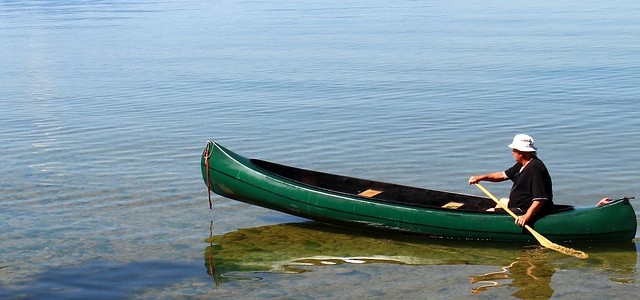
 through Chapter 1 again. For the moment you are convinced that, yes, you started in the right spot. But you find a short cut on an upper stretch that improves the trip, so you make it. Chapter 1 feels really good now.
 And the truth is, most first drafts are not publishable. As Hemingway so succinctly said, “All first drafts are shit.” First drafts will have strong parts and weaker bits, and bits that should be axed and areas where more needs to be written. That’s NORMAL. That’s what the editing process is for.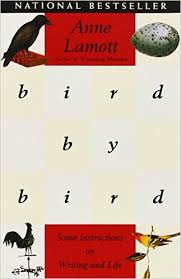


 Using real settings—real towns or cities, real street names, real landmarks— can seem easy because you have everything created already. You don’t have to invent culture, landmarks or names. If you mention the CN Tower or Westminster Abbey, you need only give a few details, and readers can fill in the rest.

 nds dangerous and the crush of crowds that make it hard for her to keep track of her child.
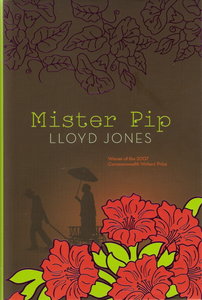 One of my favourite “cameo characters” is a woman known only as “Daniel’s grandmother” who comes to share her wisdom with Mr. Watts’ class in Lloyd Jones’ book Mister Pip:


 Rummaging around in discarded ideas will invariably turn up something unexpected, surprising, fun or usable.
 py file folder: for ideas scribbled on napkins and other scrap bits.
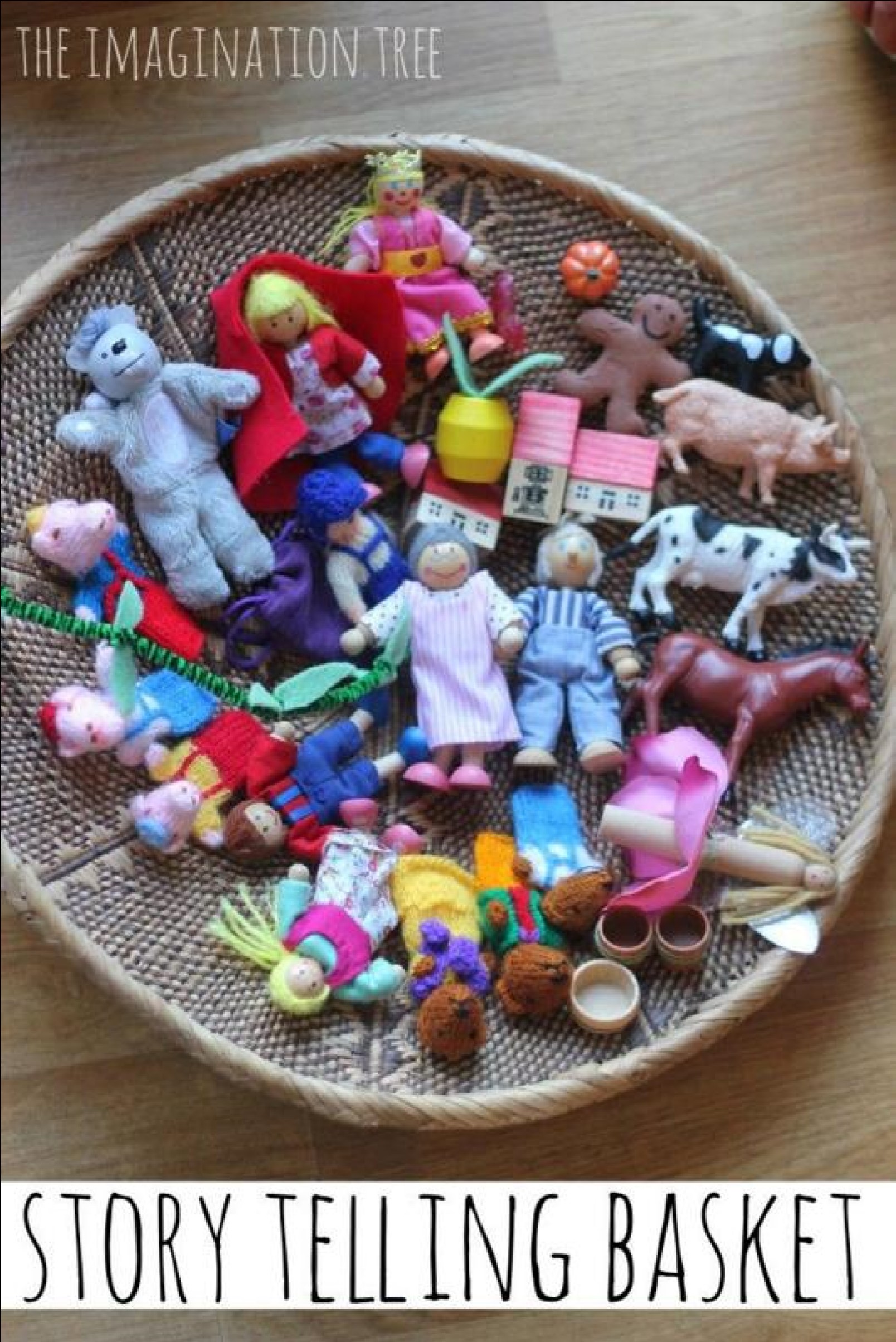
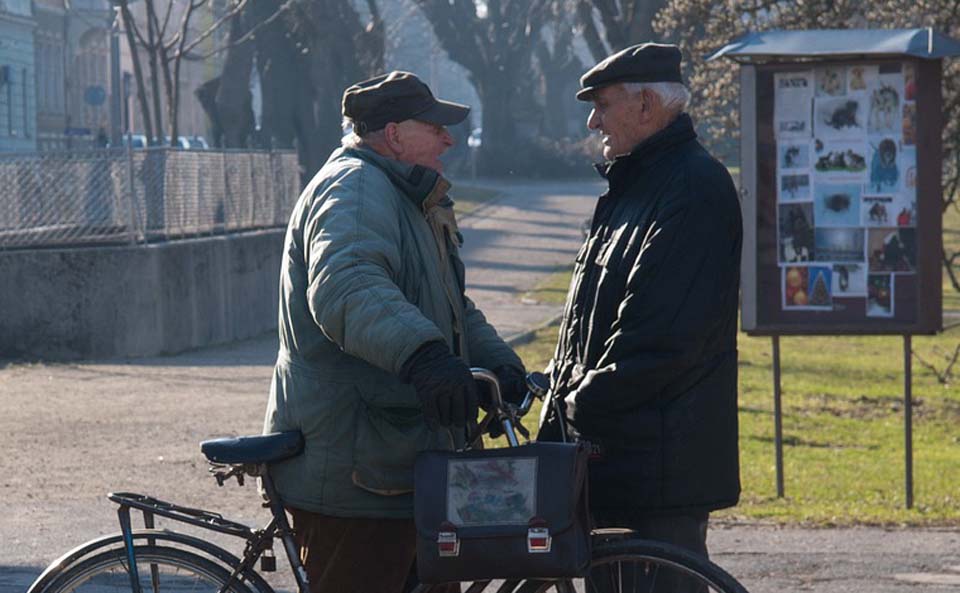
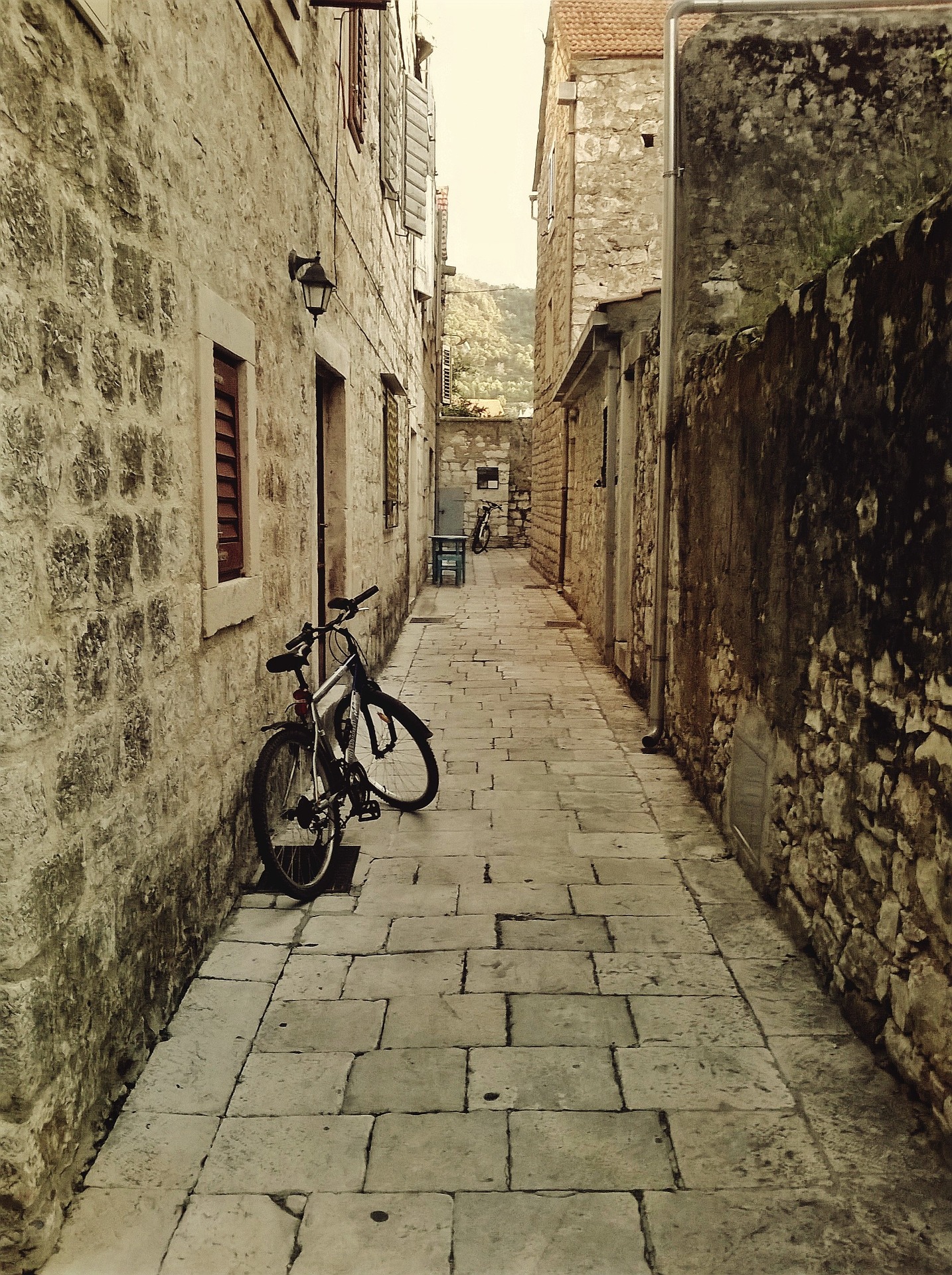 o random pictures and write a scene that will somehow link them together.

 Lately, I’ve been trying to increase the number of steps I walk each day. I bought a pedometer to record them. At first I just went about my regular routine to see what I was achieving already. Sad. Very sad. Some days I didn’t even break 500!
 At first glance, if you do the math, an 80,000 first draft written over a year, five days a week, 50 weeks in the year, would only require a measly 320 words a day! A 100,000 word book is only 400 words a day.




 him the book you’re holding.” (The listening character knows where Mike’s place is and knows who is holding the book. No emotional content here.)