

Photo credit woodenearth.com
Gwynn Scheltema
I was out on a walk and practicing the art of noticing, when I was drawn to a garden and stopped to look at it a little more closely. It was functional: a small patio under a huge maple, a swing for the kids hanging from an overhanging branch, herbs growing in an old wheelbarrow, flowers, veg and a patch of lawn.
Given that it’s autumn, the fallen leaves, frosted hostas and general state of waning made it messy and a little sad. But it wasn’t the kind of yard that looked as if it had been delivered from the local big box store: linear and precise, shallow and predictable – in other words: no message, no heart. This garden had soul.
I’m addicted
 Whenever I travel, I visit gardens; I seek them out in concrete-jungle cities and have a vast one of my own. My mother and grandmother taught me to create landscapes that worked with nature, not against it. They taught me how to create a green space with soul. And I realized as I looked at this tiny urban gem on my walk, that creating a garden that has a heart is very much like writing.
Let it speak
To create a garden that lives and breathes, a gardener must understand that fine line between control and releasing what is already there. This example on my walk was not about control or even taming the wild. It was about using what was already there, unearthing it and allowing it to blossom. To speak. That maple tree killed the grass but welcomed a small shaded patio sitting area. The overhanging branch was perfect for a swing.
Like writing – don’t control and delineate as you write. Allow your characters to speak as they want to, to do things you could never dream up. Allow the story to unfold. Let the subconscious through.
Work with what you have
 We all have big writing dreams: maybe the next best seller, perhaps an award or earning enough to live on. But on any given day, don’t worry about what seems unattainable. Work with what you have.
This garden made the most of limited space. If you only have limited writing time, write bits that are already in your head, finish something you started, or plan or research or edit. If a novel seems overwhelming, begin with a single scene, or a short story.
If the dialogue you are producing seems flat, or you don’t really know how to punctuate it, write it anyway. You can always read up or take a course on dialogue later. And you can come back to your piece and edit it when your skills improve. But if you are always waiting for the perfect time or the perfect ability or the perfect story, you’ll be waiting a long time. And as Wayne Gretzky famously said, “You miss 100% of the shots you don’t take.”
And keep things manageable. Better to finish small projects or one large one than to have twenty projects that never see the light of day. There’s nothing like being able to write “The End” to motivate you to write some more.
Don’t throw good bits away
 Not everything we write is worth keeping, but often you write a really good scene or stanza that just doesn’t fit with the piece or poem you’re working on. It might even be one of your proverbial “darlings.” Keep it. It may well be the start of another piece or fit into another project. Or it may serve as inspiration and impetus for a new piece that—like the wheelbarrow used as an herb garden—is very different from its original intention.
Give to get
I belong to online gardening swap sites, picking up free rhubarb plants and giving away hostas. I scour the roadside ditches for day lilies and black-eyed Susans and give them new homes. As a writer, you need to have a writing community—maybe just a writing buddy, maybe a critique group or membership in several writing organizations, or perhaps all of them.
 But you’ll find that you get more out of your writing community when you contribute: give of your time, your expertise and your encouragement and support. We all have high and low times as writers and whether you need someone to help you with a practical plot problem, to celebrate a success or just give you a kick in the pants to submit or get writing, your writing tribe are the best people to do it. But, offer the same to other writers. I know that over the years, I’ve learned more about the craft by talking to fellow writers and giving feedback to others than from any book.
Tend and nurture
 Without planning and fertilizing, weeding and maintaining, gardens wither or become something else you have no use for. Your writing, like any art form, is the same. You wouldn’t expect to play the piano well without practising regularly. Writing is no different. Write, write and write some more. Plan writing time into your schedule. Fertilize your craft with workshops, reading and communing with fellow writers. Weed out all your negative attitudes about not being good enough. And fill your creative well often.
Dare to be different
The garden on my walk was different from all the others on that street. Not necessarily better or worse, but different. The gardener (maybe a young mother?) created what was personally important and meaningful to her, created what was within her creative and maintenance capabilities at the time, what was pleasant and functional for her family’s lifestyle. I’m sure she also hoped that others would like it, but I doubt she created it based on what others wanted. She followed her creative path, made a garden that spoke with her voice and embodied her heart and soul. Let your writing do the same.
DID YOU KNOW
My garden at Glentula reflects my heart and has served as inspiration to many writers. Custom “Just Write” retreats and one-day escapes are offered every summer. Gather your group, pick your date and contact Writescape to put together what you need to get writing and stay writing.
Feature photo credit by woodenearth.com https://www.woodenearth.com/

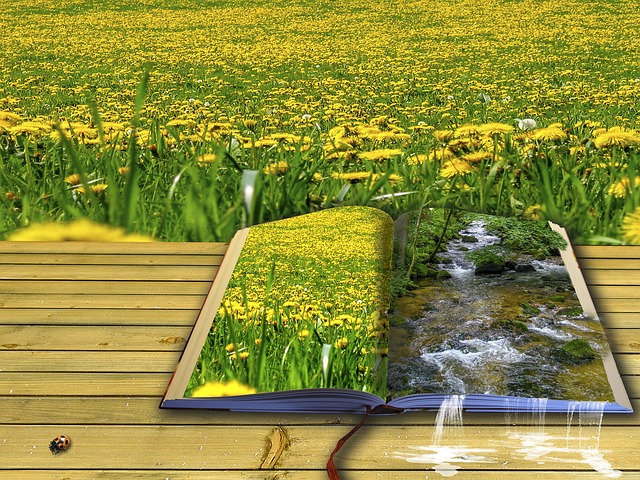 I also like the books I read to be set in exotic places, in other cultures, and affected by political or natural turmoil that I am never likely to be faced with. I like to learn about other customs and occupations.
  The first one:
 The next:
  And the third:
  Who knows, you may discover a new genre that really speaks to you. Perhaps that coming-of-age story you’ve been struggling with as an historical romance might be better reworked as a dystopian YA. But you have to read some dystopian YA to find out.
 Initially, it doesn’t matter. When you begin your first draft, story is key and the story will land in the genre it fits best. But once that draft is done, knowing your genre is important. You’ll need to know so you can fine tune your manuscript and pitch it to the right agent or publisher.
 Let’s take the crime/mystery genre as an example and the typical “dead body”. In a cosy mystery, your readers will expect to spend a few chapters meeting the inhabitants of a cosy community and getting to know the protagonist and her friends before the “dead body” is discovered. The actual killing will be off stage. In a police procedural mystery, the “dead body” is there by the end of chapter one. Readers may even witness the murder. It will be important to follow real police investigative and forensic procedures.
 1. Prepare a book jacket blurb
 With your book jacket blurb in hand, you have your main dominant story thread. Use that main thread to define the main genre. For instance, if your book involves a mystery and a romance, is the dominant story thread a classic “who done it” with a bit of romance thrown in for character growth? (mystery) Or is it really about a relationship blossoming between two people who happen to be solving a mystery together? (romance)
 Nail down the age group your book is aimed at: children, young adult, new adult or adult. If your manuscript appeals to more than one group, you have an age cross-over. (Think Harry Potter (children/adult) or Hunger Games (YA/adult).)
 One way to do this is to have two windows open, one on Amazon and the other on Goodreads. Read the blurb on Goodreads and then search the book on Amazon to see its classification.
 “Yes, Virginia, there really is a National Punctuation Day!”


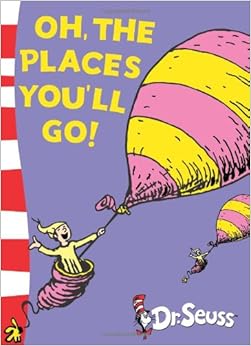
 The use of humour reminded me of a poetry book I had as a child called
  //
// //
// //
//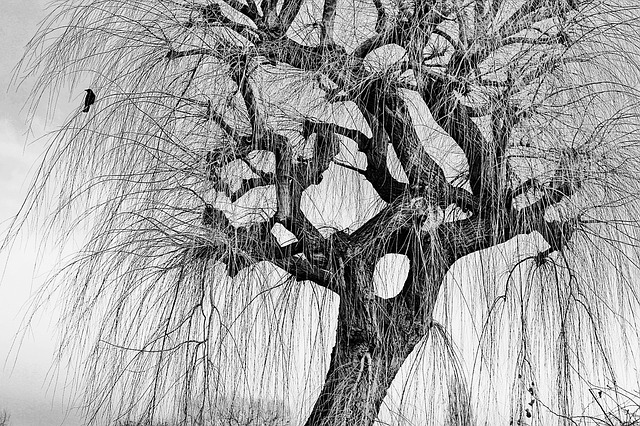
 The willow’s music is like a soprano
 Whatever you want to say,
 In just ten years, Vicki (also writing as Eva Gates) has more than 20 crime and mystery novels to her credit .
 Mystery novels really do fill the spectrum from light and fluffy to very dark indeed. Something for everyone in fact. Darker crime novels, such as psychological suspense, show the human psyche under pressure.
 At the moment, I’m writing mostly cozy books. Cozies are all about friends and family and community. The tone is much lighter, there is never any real danger to the main characters, and not much in the way of tragedy or angst. Sometimes a little dash of romance, but the friendships are all important. People love these books because they come to love the characters and the town they live in. And the food. Food and books are often important in cozy novels.
 The hig
 hly perceptive Gemma is the police’s first suspect, so she puts her consummate powers of deduction to work to clear her name, investigating a handsome rare books expert, the dead woman’s suspiciously unmoved son, and a whole family of greedy characters desperate to cash in on their inheritance.
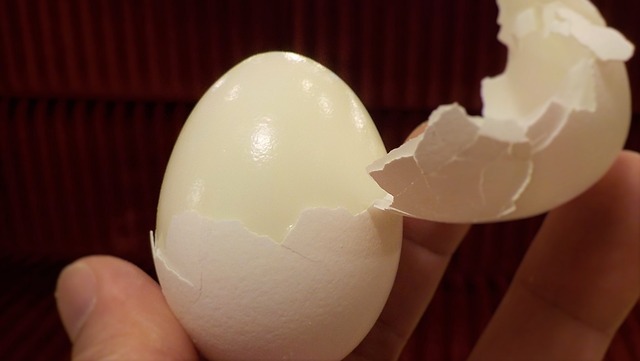 Then it’s time to start to write. I walk into the dining room and stand at my Netbook computer which is on the half-wall between the kitchen and the dining room. As I pass through the kitchen, I put one egg on to boil. (In the summer, I might sit outside on the deck). I always write, standing up, on the Netbook. I read over everything I did the previous day, doing a light edit as I go. I then take my egg into the study and eat it while checking email.


 Often when you begin writing about the subject of the prompt — say swimming in a lake — it can take you somewhere else — say an experience of drowning or crab baskets in Italy or how your father never believed in taking vacations. Go there. Forget the prompt and go where the energy is.
 Switch it up
 Write what you know
  Be specific
 Lists
Lists
 ok
ok  If writing is important to you, it needs to be built into your routine in the same way that you build in any other important activity in your life. If you need to schedule writing time like dental appointments, piano lessons, or hockey practice, do it. Think of writing as your “job” and block out set times like you would if you were going to work.






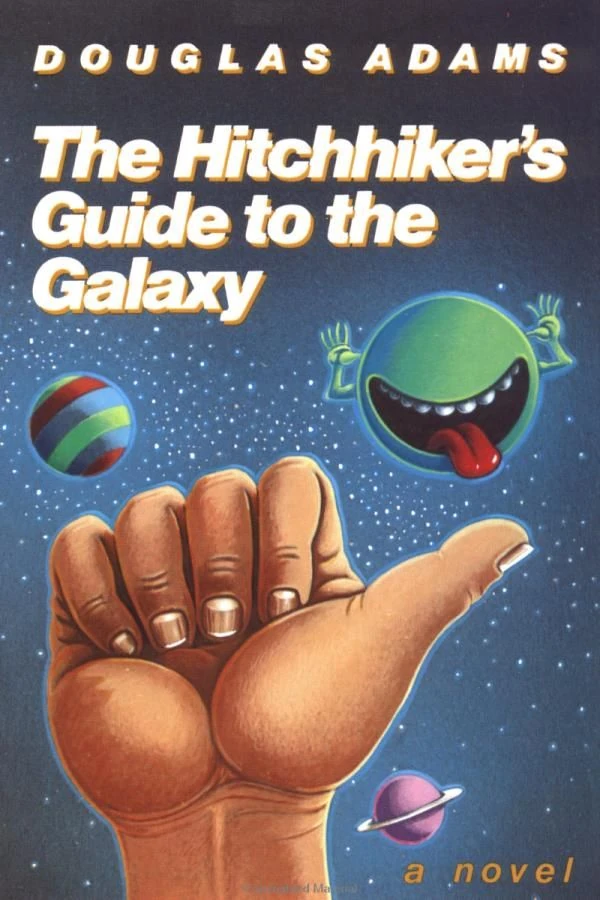 Edward Lear and Lewis Carroll popularized the form in the late 1800s, but more contemporary examples can be found in the “Vogon” poetry found in Douglas Adams’s
 The people of Spain think Cervantes
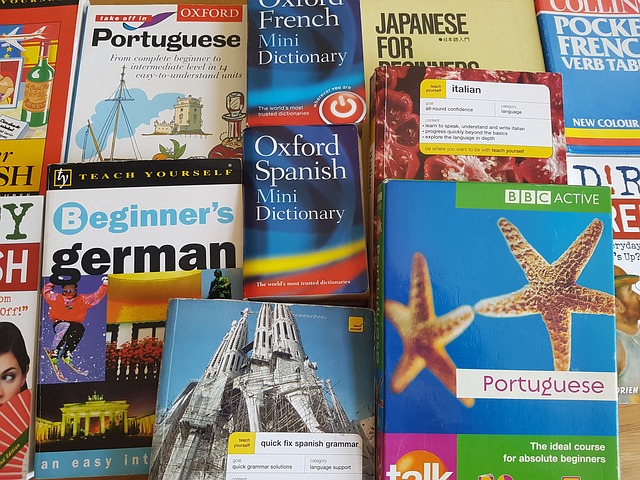 This sample from