Get Fearless. Go Public.

Get Fearless. Go Public.

Years ago, I was a committed aquafit attendee. Underwater lunges, leg lifts by the jets, jogging through chlorinated pools—it all turned my crank. I went twice a week with my best friend, Linda. We had a blast, challenging each other to push harder, harder. We churned up big waves with our enthusiasm and built up some wonderful stamina and energy. Aquafit helped keep me healthier and decidedly thinner.

pensive-female-580611_640But life got in the way. I lost interest. And, you know, aquafit just moved to the backburner of “I’ll sign up next year.”

Several years and pounds later, I find myself back in aquafit. A new year’s resolution I opted to actually keep. But man oh man, what happened to make water churning so much harder? Linda and I were iron-women back in the day. Now, I’m feeling far more like rubber-woman. Sometimes even like sopping wet cardboard-woman. I swear they added molecules to the pool.

But I will say that several weeks in, I recognized some of the old iron-woman coming back to me. And by the end of June, I had more energy and fewer pounds. Don’t get me wrong. It will be a long time before I can jog in the pool like a whirlpool on steroids. If ever. But my confidence is up. And I’ve managed to keep a quasi-schedule over the summer with a less strenuous program in the cottage river. I’m looking forward to signing back up in September at the local pool.

And that, believe it or not, gives me hope on an unfinished manuscript that lingers in my computer. This 79,000+ word novel started out like most of my writing. I always write because I want to know the answers that I set up whenever I start a story or poem. And I set up a lot of thematic questions with this one: gender, politics, genetics and nature versus nurture. I was pumped to explore them and it was going great.writer-1421099_640

But sometimes —just like why I had to give up aquafit years ago—life gets in the way of writing. And sometimes, a writer can lose confidence. And then lose the connection to the heart of the story. And finally, simply lose interest. And that combination is deadly. My poor muse has been whispering in my ear for weeks and I just kept shrugging my shoulders and looking for distractions.

Man, I sure needed a kick in the pants. This post is my public announcement and thus, my self-kick in the pants. You, dear Top Drawer reader, will hold me accountable. Like my return to aquafit, I’m diving back into the pool of novel completion.diving-885906_640

I’ve given myself a deadline. September 30: a complete manuscript ready for beta readers. Until then, I’ll be doing the backstroke, butterfly, crawl, freestyle…anything I can do on the keyboard to swim to the finish line. And the only record I’m looking for is to achieve completion on or before September 30.

I’ll let you know if I make it.


Been there: Using real-world settings in fiction

Been there: Using real-world settings in fiction

Gwynn Scheltema

I’m always fascinated by the worlds that writers create for fantasy and sci-fi novels. I think I’m fascinated by the sheer complexity of creating an entire culture from its laws and religion to its people, plants and landscape.

But basing our stories in the “real world” we all know (or think we know), can be just as complex.

Keeping facts straight.

krzywy-las-641507_640Using real settings—real towns or cities, real street names, real landmarks— can seem easy because you have everything created already. You don’t have to invent culture, landmarks or names. If you mention the CN Tower or Westminster Abbey, you need only give a few details, and readers can fill in the rest.

Provided you get it right.

You can be sure that if you get it “wrong”, someone’s going to tell you. Or your reader will be aware that you made a mistake once, and be on the alert in case you do it again, so now there is a subconscious element of distrust as they read. At the very least, it will kick them out of the narrative momentarily.building-72225_640

Your Impressions

Sure, you can control facts to a large degree with good research and careful editing, but what you can’t control is readers’ reactions to your perceptions of real places. If, like facts, readers think that you got the impression “wrong”, it will be noticed, and have the same effect as getting facts wrong. If, as a narrator, you describe a particular real neighbourhood as “dangerous”, or “upcoming” or “ugly”, that might be your interpretation, but your reader may not agree. Your perceptions of real places are valid, but so are your readers’impressions of the same place.

So what can you do?

Impressions vs. facts

As you write be aware which setting details are facts and which are opinions. Characters only should express all the impressions or opinions. Characters in this instance include the narrator in a first person story. In sections of exposition, stick to facts. This is a good rule of thumb for any details actually, not just for setting. Essentially, setting opinions expressed through exposition become “author intrusion” and open that door for “getting it wrong”.

Manipulating impressions

The moment you move impressions of real places to the realm of character, you have the opportunity to manipulate setting to support other elements like character development and theme.

By choosing to focus on the details the character notices in a setting and what they think and how they feel about it, says as much about the character as the setting. Characters usually notice the things that align with their emotional state and with their level of understanding. You can set or heighten mood and sneak in details that will be important to plot or speak to theme.

midway-game-983385_640

Think of a child and his mother entering a fairground. The child is likely feeling excited and looking forward to fun, so will notice details that are colourful, fun and energizing: whirling rides, flags and balloons, stalls full of prizes to be won. The mother might be jaded by years of attending fairgrounds, aware of potential danger and cost. She will notice questionable people, machinery that looks or souman-1283576_1280nds dangerous and the crush of crowds that make it hard for her to keep track of her child.

Another manipulation is to purposely describe factual details “wrong” to establish an unreliable character.

Fiction and reality fusion

Perhaps the best way to use real settings is to create a fictional piece within the real one. A fictional town in real Northern Ontario. A fictional bar in Paris. You still get the advantages of the “real world” settings, but not the disadvantages. Your fictional component should be similar enough for believability, but you have the freedom to create your own “impressions”’ of the place. You get to decide if the place is “dangerous”, or “upcoming” or “ugly”, and your readers will believe you.


The Power of Cameo Characters

The Power of Cameo Characters

Gwynn Scheltema

“Even the smallest person can change the course of the future.”

~ The Lord of the Rings, J.R.R. Tolkien

Incidental characters, walk-on characters, cameo characters—call them what you will—they have an important part to play in a novel. Do you remember a scene where a character appears just briefly and then we never see that character again? 

When a writer includes a walk-on character, is that a good thing or a bad thing?

The answer depends on what kind of novel you’re writing, where in the novel the character appears, and what the character does in the scene.

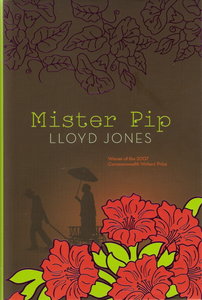
Mister Pip

Mister_Pip_(Lloyd_Jones_novel)One of my favourite “cameo characters” is a woman known only as “Daniel’s grandmother” who comes to share her wisdom with Mr. Watts’ class in Lloyd Jones’ book Mister Pip:

Daniel’s grandmother, stooped and old on her canes, peered back at our class with her weak eyes. “There is a place called Egypt,” she said. “I know nothing of that place. I wish I could tell you kids about Egypt. Forgive me for not knowing more. But if you care to listen, I will tell you everything I know about the colour blue.”

And so we heard about the colour blue. “Blue is the colour of the Pacific. It is the air we breathe. It is the gap in the air of all things, such as the palms and iron roofs. But for blue we would not see the fruit bats.

You can find blue squinting up in the cracks of the wharf at Kieta. … It is trying to get at the stinking fish guts, to take them home. If blue was an animal or plant or bird, it would be a seagull. It gets its sticky beak into everything.

But blue also has magical powers,” she said. “…Blue crashes onto the reef and what colour does it release? It releases white! …A final thing, children, and then I will let you go. Blue belongs to the sky and cannot be nicked which is why the missionaries stuck blue in the windows of the first churches they built here on the island.”

What is achieved with the character of Daniel’s grandmother?

Now on the surface, she seems just a quirky character who says some strange things about a common thing we think we know about already. Rebels have invaded the island and they are all living under very strained conditions. She has been invited to teach the children something, and yet she speaks “only” about blue.woman-1031000_640

She appears about a quarter of the way through the novel, just as things are taking a new and frightening turn. Perhaps her only purpose in the novel, therefore, is to provide some colour (pardon the pun), or perhaps some comic relief from an otherwise serious situation.

And that would be fine, because those are two good reasons to have a walk-on character.

 Is Daniel’s grandmother really just incidental?

Lloyd Jones’ character seems incidental—indeed, she could be removed altogether with no effect on the plot line—but she definitely adds to the novel.

This scene supports one of the themes of Mister Pip, which is the examination of the power of the imagination and words, and how they can achieve what is seemingly magic.art-Mr-Pip-620x349

She is also foreshadowing what Mr. Watts will do: SPOILER ALERT: to delay execution, he will weave a “magic” tale from what seems at first to be ordinary things . Daniel’s grandmother has told the children in a kind of metaphorical code or allegory what will happen. She has told them to “listen” and to believe in the magic of ordinary things.

In fact, when Mr. Watts thanks her, he says, “…while we may not know the whole world, we can, if we are clever enough, make it new….We just have to be as imaginative as Daniel’s grandmother.”

 Memorable and effective incidental characters…

  • add local colour
  • provide a break in mood or pace so readers can breathe
  • do something “complete” in their own scene so that removing them from the book seemingly doesn’t affect the main plot
  • can be used for wider purposes such as theme, foreshadowing and comparison to emphasize other characters
  • are often best left unnamed
  • should only show up when other main characters have been established

So cameo characters can enrich, elucidate, or refocus a novel, or they can simply entertain. Good ones usually have more than one purpose—and are always memorable.

Share a cameo or walk-on character that you remember in the comments below.


The value of keeping random ideas.

The value of keeping random ideas.


Gwynn Scheltema

Ever write a story that seemed to go nowhere? Ever thought of a brilliant opening line, but never wrote the story? Ever found a line that you thought might make good dialogue, or a line in a poem, or the premise of an entire novel and lost it?

lights-1254298_640Rummaging around in discarded ideas will invariably turn up something unexpected, surprising, fun or usable.
That’s not to say that every word you write is gold – saleable gold – and that none of it should go to waste. But ideas don’t always come at a time when you are ready for them, and if you have no way to revisit them, then even the good ideas will go to waste.

Increase your wheat-to-chaff ratio with an Ideas File and pop them in there. Actually, have several ideas files:

Ideas Files
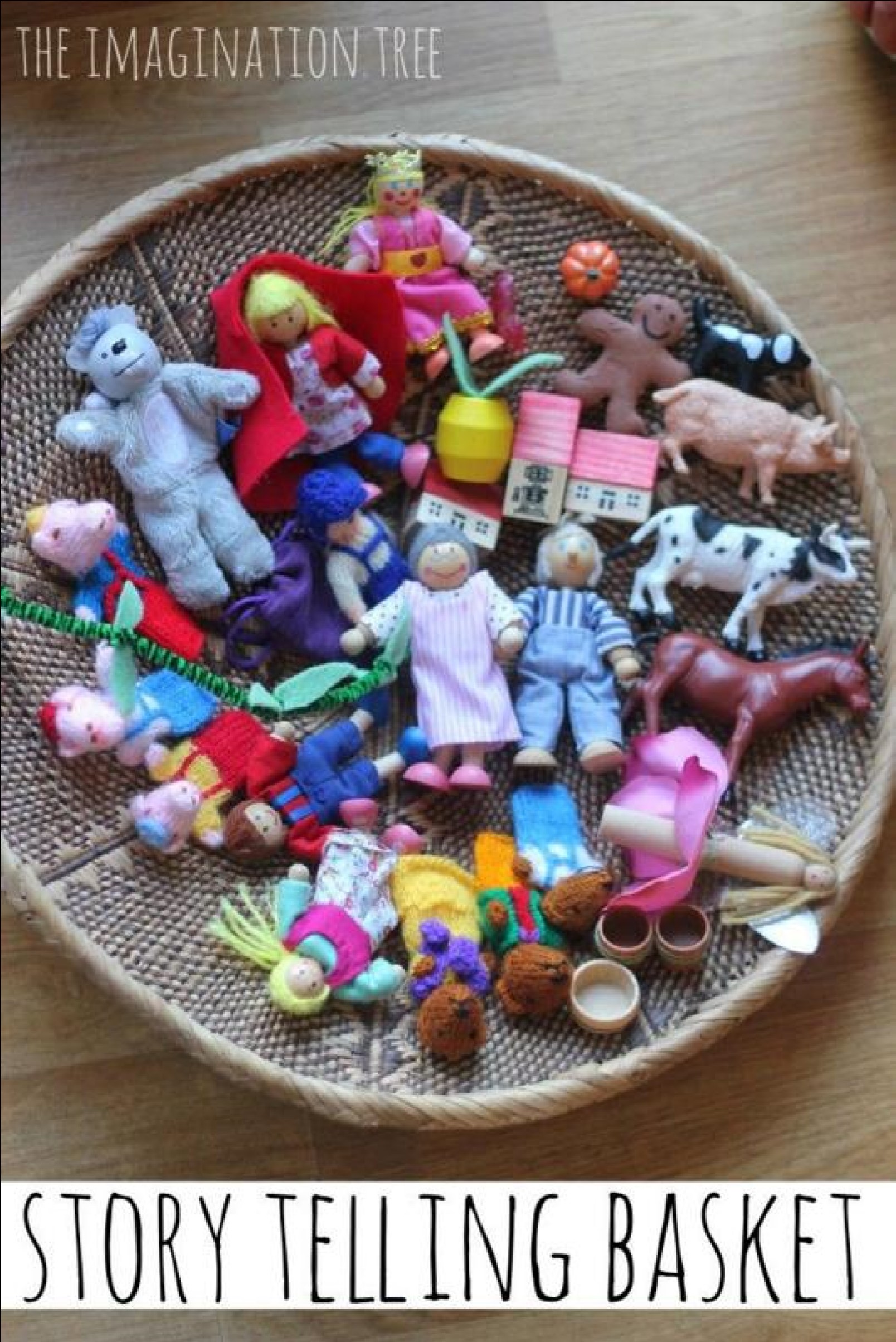
  • hard costory basketpy file folder: for ideas scribbled on napkins and other scrap bits.
  • computer file for the same. Make sure you develop a way to easily navigate through them. Naming each one “good idea” won’t be too helpful when you have 400 “good ideas.” Make use of “version” and “date” options if you have very similar drafts of an unfinished story:
    • horrornovel_v2_2016
    • babypoetryRev3March
    • trilogy_idea3


Personal coding systemcolored-pencils-168392_640

Create a personal coding system to mark up journals or notebooks for easy browsing retrieval. I use coloured highlighters: I underline or asterisk possible poetry ideas with yellow, novel snippets with blue, non-fiction article ideas with green, etc.

Other people’s ideas

Expand the concept to ideas beyond your own writing

  • In another hard copy folder keep cuttings from newspapers and magazines, old letters or theatre tickets or postcards or photos. Expand to new subfolders as ideas begin to consolidate.
  • In computer folders, keep ideas suggested by blog posts, or anything internet related, including email copy. Be sure to include URLs if you want to reference later.
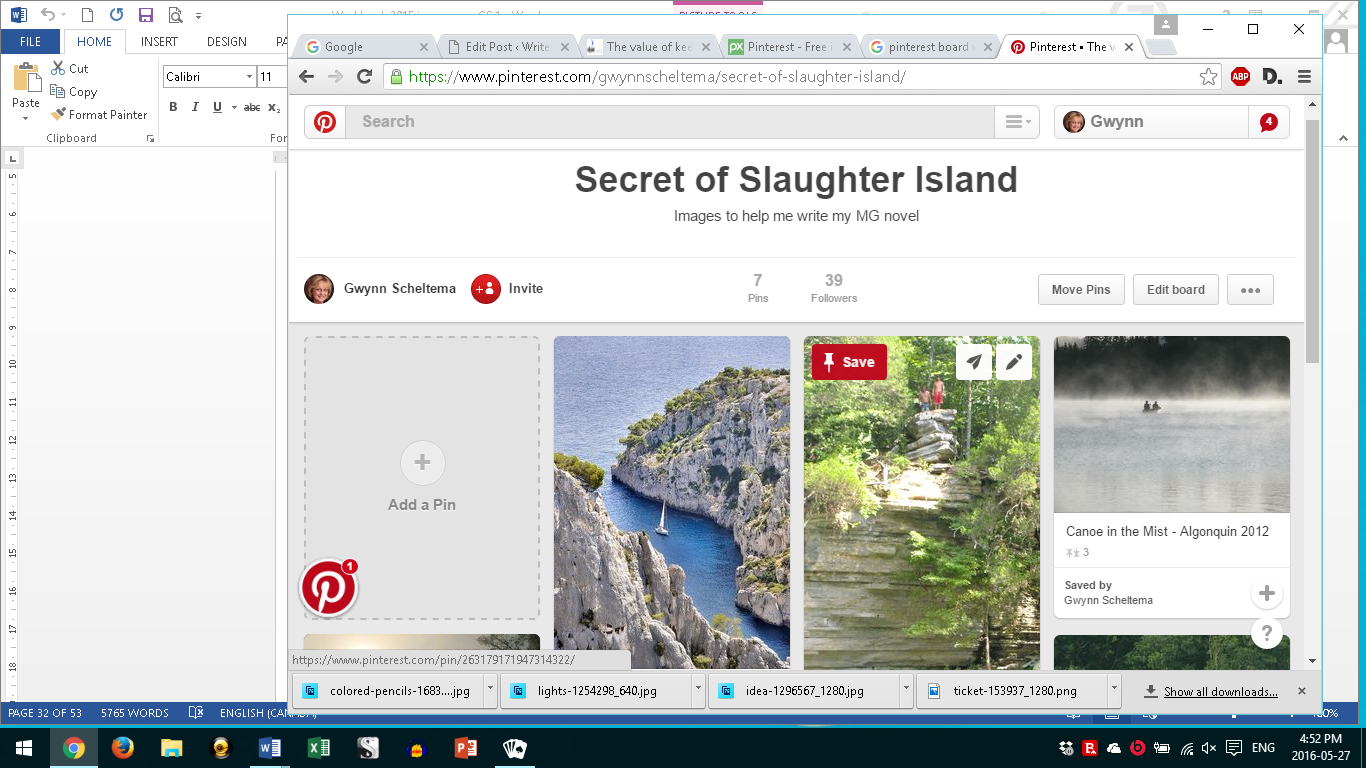
  • Create a Pinterest board. This is especially useful in the early stages of a novel. Pin pictures of faces, buildings, landscapes, objects, or anything that stirs up ideas or cements a visual for you. Here is one I started for my MG novel.

pintrest board

Of course, having all these ideas is pointless if you don’t do something with them.

Here is a creative exercise to try:

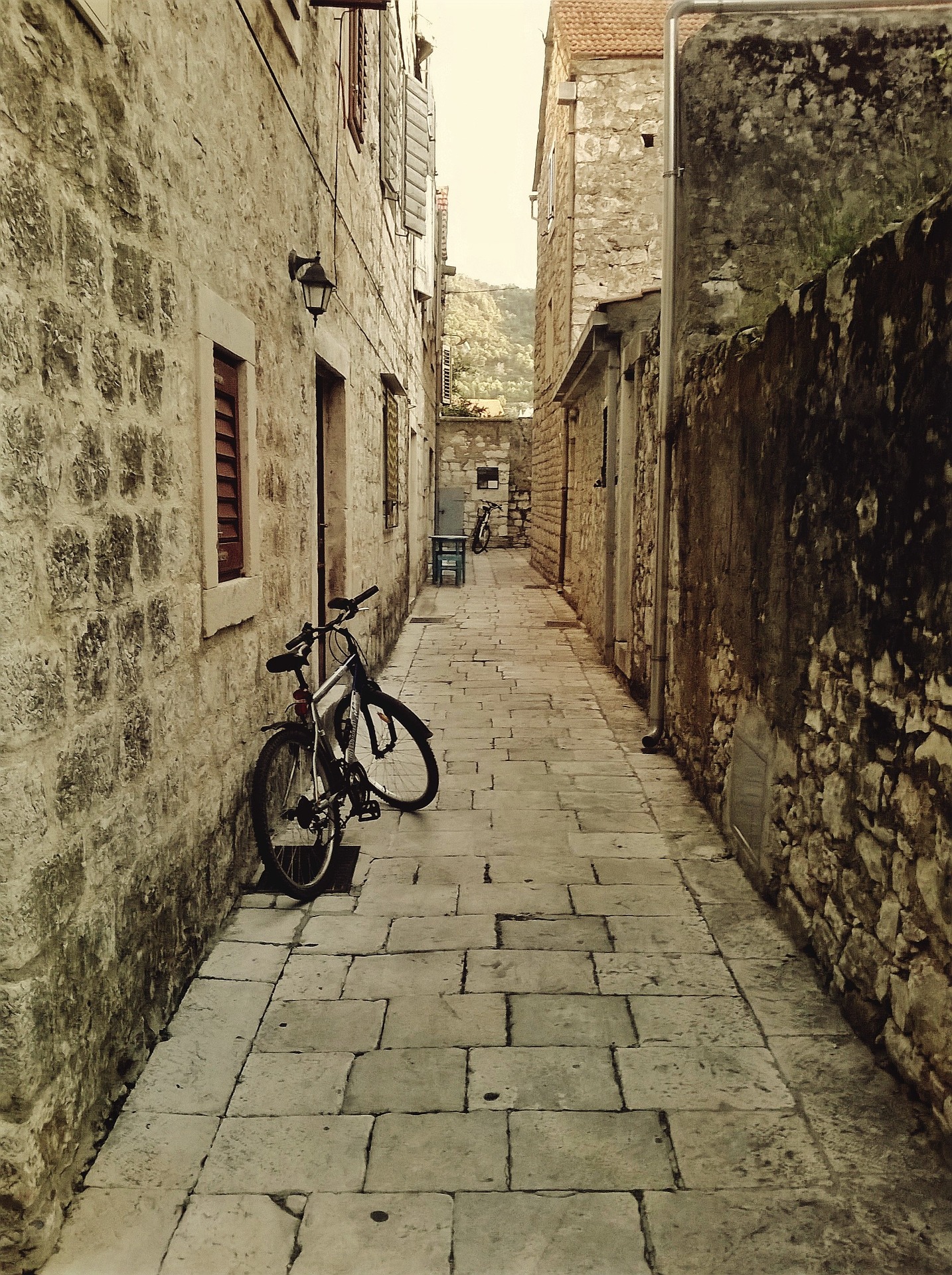
Take these twold bicycleo random pictures and write a scene that will somehow link them together.ticket-153937_1280


When pairing ideas, don’t worry if they seemingly have nothing in common when you begin– that is the point of the exercise. The struggle of creating the link is what gets your brain going.


Book Club Confidential

Book Club Confidential

Ruth E. Walker

The first book club invitation I received came from Sharon, a co-worker. She’d read Living Underground and wondered if I might come to her book club while they discussed my book. Holy poop! I thought. Be there while they dissected my characters, found holes in my plot, puzzled over themes I didn’t know I had in there?

Absolutely terrifying. So naturally, I said yes. I figured it would be my one and only. I was wrong.

Sharon's book club Toronto
Sharon’s book club Toronto

My book was published in 2012, and Sharon’s lovely invitation was only one of many I continue to receive. I’ve travelled all over southern Ontario to libraries, pubs, living rooms, coffee shops and even an office boardroom. I’ve accepted book club invites to Virginia and Michigan. I was with a seniors’ group in London Ontario recently and in September, I’ll meet readers in Niagara-on-the-Lake.

For authors, book clubs are a wonderful opportunity to meet with people who read your book. But you should be prepared before showing up. Each club has its own structure and set of expectations — some are social with wine and nibbles; others are prepared with note pads and questions. Remember: you want to be a welcome guest who adds value to their reading experience.

Here are some pointers for attending book clubs.

Do your research. Ask questions before you go:

Coffee Shop Book Club Whitby
  • what is the format and what do they expect of you? (if they’re not sure, you need to be prepared with suggestions. Consider preparing a book club guide/questions to provide in advance)
  • will a member lead the evening or is it more free-flowing?
  • what time are you expected to be there? (sometimes, you’re asked to show up after the meeting starts to let the group settle before you arrive) and when you should leave? (they can’t talk about you if you are still in the room…)
  • what is the address? (you may think this is a silly question but you need to know exactly where you are going — front door, side door, meeting room on 2nd floor & not the main floor…)
  • what are the contact phone numbers? (and give them yours in case of last-minute changes)

Set out your parameters:

  • let them know if any question is out of bounds for you (in my case, I am clear with book clubs — they can ask me anything at all about the book & they can’t offend me with opinions or questions)
  • time limits, if you have them

Be the guest author, not the wannabe member:

A Lunchtime Book Club
A Lunchtime Book Club, Queen’s Park
  • avoid the social drinks; stick to water or tea/coffee (I like wine but not at a book club; I’m there to answer their questions, not join their group.)
  • similarly, go easy on the nibbles (eat dinner before showing up)
  • dress professionally (it’s not a white tie event; however, know that your ripped jeans and sweatshirt is only great for writing marathons and not a book club)

Bring copies of your book:

  • book clubs have usually already bought your book but it is helpful to have copies on hand (be discreet because it’s not about selling the book; you are there to appreciate your readers)

    Stafford Virginia Book Club
    Stafford Virginia Book Club

Be prepared to hear negative comments:

  • reading is an individual experience and not everyone will love your book (p.s. – really, it’s no longer YOUR book once you send it out to readers; it becomes THEIR book that you wrote)
  • practise the following:
    • Thank you for letting me know.
    • That’s interesting. It wasn’t what I had in mind when I wrote that scene but I appreciate knowing your response to it.
    • I appreciate your honesty.
  • I always let the organizer know the following:
    • Your members can ask me anything at all. I’m a writer and I’m used to critiques and rejection. They can’t hurt my feelings even if they didn’t like anything about my book. (and I repeat this at the beginning of every book club appearance — it helps break the ice for some readers.)
IMG_0818
Third Thursday Book Club Whitby

Remember to say thank you:

  • What a terrific compliment; the club members picked your book to read. If you think about it, what better validation of the crazy passion we have for writing than to have readers engage with your book?

    "Red Sails" London Chapter
    “Red Sails” London Chapter
Step by Step

Step by Step

Gwynn Scheltema

Concrete steps with the words Step by step painted on themLately, I’ve been trying to increase the number of steps I walk each day. I bought a pedometer to record them. At first I just went about my regular routine to see what I was achieving already. Sad. Very sad. Some days I didn’t even break 500!

Apparently, you need to do a minimum of 6000 a day to maintain good health, and well over that if you want to lose weight or increase fitness levels. After several months, I now consistently do 7000 steps and some days even more. One day last week, I topped 15000. Yay me!

Lately, I’ve also been trying to increase the number of words I write in a week. I made a wall chart to record them. At first I just went about my regular routine to see what I was achieving already. Sad. Very sad. Most days I didn’t even break 500!

The difference is, after several months, I’m better but still not averaging a decent word count. I don’t expect to do 7000 a day, but I definitely need to average more if I want to finish my novel any time soon.

A first draft in one year

abacusAt first glance, if you do the math, an 80,000 first draft written over a year, five days a week, 50 weeks in the year, would only require a measly 320 words a day! A 100,000 word book is only 400 words a day.

But let’s face it. Not every word you write is golden. And there needs to be time in there for research or plotting with sticky notes or just plain thinking. So aiming for a minimum of 500 words a day and will allow you to produce enough “good words” for a first draft.

I prefer to think of that as an average of 2500 good words a week for 35 to 40 weeks of the year. That still leaves plenty of weeks for research or holidays or whatever.

 The problem

The problem is, when I think of 2500 a week, every week, I find that daunting, in the same way that I found the prospect of 6000 steps a day daunting. But I succeeded with the steps. So what did I do to get my steps up that I could apply to my writing?

The solution to increasing my steps:

  1. I wore my pedometer every day as a constant reminder and motivator.keyboard with check mark
  2. I coerced my husband into wearing one too so we could motivate each other.
  3. I didn’t try to do all 6000 at once during the day.
  4. I found times of the day when I could get in a quick 1000.
  5. I discovered that jogging got them done faster.
  6. I realized that every little bit counted towards the whole: walking while on the phone or jogging on the spot while waiting for the kettle to boil.
  7. I “rewarded” myself with a check mark on my chart for every day I achieved the 6000.

Therefore…the possible solution to writing 500 words every day:

  1. B.I.C [Butt in chair] every day. Doesn’t matter what I write, as long as I write, or actively work on the draft in some way.woman's face with pen writing on glass - just words
  2. Find a writing buddy so we can motivate each other.
  3. Write in several blocks of time if it’s hard to do them all at once.
  4. Identify quick items that move the project forward to do in limited time slots: look up a missing fact, decide on a character name, weigh up plot options.
  5. Use freefall to write quickly and get ahead of the internal editor.
  6. Realize that every little bit counts towards the whole – keep a notebook handy and use it: on the train to work, while waiting in the car….
  7. “Reward” myself every week I achieve the 2500. Chocolate? Solitaire? A new book?

pile of books and glasses


What do you do to keep your word count clocking up week after week?


What’s in your writing drawer?

What’s in your writing drawer?

Gwynn Scheltema

There’s plenty of advice out there on how to prepare your work for submitting, but what if, like me, your problem with submitting—is you!

Do any of these statements apply to you?

  • ·         You have completed work ready to send out that hasn’t been submitted ever.
  • ·         Many of your completed pieces have been waiting to go out for years.
  • ·         You have several projects that are “almost ready” to send out.
  • ·         You have pieces that you sent out once, had rejected and never submitted again.

head shot of isaac Asimov


“You must keep sending work out; you must never let a manuscript do nothing but eat its head off in a drawer. You send that work out again and again, while you’re working on another one. If you have talent, you will receive some measure of success – but only if you persist.”

  Isaac Asimov

Facing fear

You likely already know that the prime reason for not sending your stuff out is fear:

  • ·         of rejection (I‘m not as good a writer as I thought I was)
  • ·         of success (now I’ll have to do it again)
  • ·         of someone stealing my ideas (lack of trust of new people or situations)
  • ·         of facing the reaction of readers (don’t like to be judged)
  • .         of rewrites and edits (what if I can’t do what they want)

book cover Art & Fear

What separates artists from ex-artists is that those who challenge their fears, continue; those who don’t, quit. Each step in the artmaking process puts that issue to the test.
― David BaylesArt and Fear


Like eating well and exercising, you know what to do and why you should do it, but you can’t bring yourself to do so. So here are a few ideas to help you over that hump:

1. Join the clubwoman afraid

We can’t control fears and feelings. Likely they are deep-rooted in our psyche. But we can find ways to move forward despite the fear.

Accept that pretty much every writer has these fears at one time or another. The trick is to accept it as part of the writing process. Embrace it and face it.

You will get rejected. It’s a given. But you will survive. You will live to write another day.

2. Let go

Ironically, the greatest feelings of self-doubt seem to come at the moment when the task is almost done. You want it to be perfect; the pressure to finish increases, and the knowledge that you will have to put it out there sits menacingly on your shoulder. But there comes a time when you must fight self-doubt and have faith in what you’ve created. You must let go.

If you don’t? What happens? Nothing. Your writing stays in the drawer. You beat yourself up for not moving forward. Nothing gets resolved.

3. Trust the Processtrust yourself

Fear focuses on unknown results of possible action. You can’t control unknown and possible. You can control process—and action. So start on the process of submitting; create a forward motion as a way to outwit, outrun, outsmart fear.

It’s hard, sure, but it’s the writing life. You can either face it or not. You can trust the process or live in fear. Your choice. The solution in your hands.

4. Get started!
  • ·         Set yourself a target date to have just ONE piece sent out.

Writers live by deadlines, so harness that attitude to help you submit. Make yourself publicly accountable—tell your writing buddy, your critique group, anyone who will call you on it.

  • ·         Break the process down into actionable tasks.

Submitting your work can feel overwhelming. But like any process, breaking things down into bite-size actionable pieces helps you to get started so that once begun, the task takes on a momentum of its own.

Try making a list for each stage of the process (which you can use again and again), and then tackle just one item on the list at a time. Tell yourself you only have to do one thing on the list. Chances are, once you get started, you’ll do a lot more. And each action you take will build your confidence. Focus on the idea that each small item is doable.leap of faith

5. Don’t Stop!

By the sheer law of averages, the more submissions you make, the more publishing success you will likely have. Think of rejections as “acknowledgments” that you are doing what real writers do. You are submitting!

A good place to start is writing contests. Join Ruth E. Walker and Dorothea Helms in May for their popular workshop Write to Win.

If you want to start the process now, make a public commitment in the comments below to a date to have ONE submission completed. We’ll follow up and see how you did.


Blogging for Authors: Must We?

Blogging for Authors: Must We?

Guest blogger: Kimberly Moynahan

Back in January, this article came through my Twitter stream: Blogging for Authors: Why You Need a Blog and How to Get Started, posted on the Nonfiction Authors Association website. In that article, e-book author Stephanie Chandler recommends that every author have a blog.

She advises you “contact your webmaster” to add a blog to your site; she talks about “keyword concentration”, how blogs are good for SEO and how content is king; she explains how to choose a blogging platform, why you shouldn’t host on a secondary domain and…well…are your eyes glazing over yet?

Here’s the thing: Starting a blog is like joining a gym. Eighty percent of people who begin will not last three months. Okay, I made that number up. But in fact, the realty for bloggers is probably worse. In 2008, a blog search engine company found that of 133 million blogs only 7.4 million had been updated in the last 120 days.

That translates to 95 percent of blogs being essentially abandoned, left to lie fallow on the Web, where they become public remnants of a dream — or at least an ambition — unfulfilled. — Douglas Quenqua, New York Times, June 5, 2009

So before you jump onto the “every author needs a blog” bandwagon, ask yourself if blogging is really for you. Because frankly, having a sad neglected blog is probably worse than not starting one at all.

Here is what you need to be a blogger—


A Bit of Technical Abilitycrow with tools

Even if you have a webmaster, she’s only going to set up your site. You still have to put up your own post, format it, add graphics and tags, and publish the thing. It’s not difficult, but if you are the kind of person who gets faint at the idea of formatting an Excel column, you might want to think twice about blogging.

Lion sleepingTime. Lots of it.

Stephanie, in her article, advises that you blog five times a week. It’s good writing practice she says.

First off, no, it’s not. You know as well as I do, if you are dashing off five quick posts a week, you are not practicing good writing. You’re just adding “content” which is great for attracting search engines bots and random strangers, but not so much for engaging readers and impressing publishers.

Blogging five times a week is a herculean task. Even filler posts – YouTube videos and “Wordless Wednesday” images – take effort to pull together. Recruiting guest bloggers helps, but there is work around that as well. And these stopgaps will only entertain your readers for so long. Your audience wants to hear from you.

How much time does blogging take?

My advice to potential bloggers is this: Write your first five posts before you commit. Time yourself from the moment you start thinking about what you’re going to write, to the moment all five are written, formatted for the web, proofed, have catchy titles, and have legal-to-use images with credits and captions.

Now add an hour a week for site maintenance and improvement, another hour for responding to commenters, and fifteen minutes a day (at the very least) for promoting your blog on social media. Now how’s your week shaping up?

Social Media SavvyBees

Blogs cannot live in a vacuum. It will be up to you to find your audience and make them aware of your blog. Sure search engines will find your blog so people will stumble upon it, but you will have to do the real work of alerting your followers and attracting new readers every time you post. This means mastering and diligently usingTwitter, Facebook, and other forms of social media.

Herd sheepSomething Unique to Say

What are you going to blog about? Here’s a subject that could take up a whole post. But in short, if your blog is to rise above the babble of a million author bloggers all doing the exact same thing, you are going to have to deliver something unique.

Rule #1 is reward the faithful for showing up. Your readers are your most valuable promoters. Feed and nurture them accordingly. Talk to them. Give them something they can’t get anywhere else. What that is depends on your target audience – readers, writers, or both.

Rule #2 is that blogging is not all about you, The Author. If you want to connect with your readers, you must show a bit of you, The Person.  No need to throw your entire personal life onto the screen (please), but talking about your passion for 1940s jazz, your daytime job as a dog trainer or the crazy thing that happened at the grocery store this morning goes a long way towards making your readers feel special and welcome.

Thick Skinwalruses

You’re a writer. You’re used to editors pointing out flaws in your manuscripts. You’re used to rejection. You might even be used to negative book reviews (if one ever gets used to that). So already you are stronger than most.

But how are you when your ideas are attacked? How will you respond when your credibility is challenged? When a reader comments (shouts!) in UPPER CASE that you are not worthy of the pixels you are printed on?

If you blog well, your comment section is going to be more than just people heaping praise and thanks upon you. It can become the lifeblood of your blog, an exciting place where people debate and discuss ideas. It can also become a place where people criticize, even attack you.

For instance, these are actual comments from my blog:

Are you on drugs? You clearly lack journalistic skills on top of empathy for life… 

This article is the biggest piece of SHIT I’ve read so far …

I leave them on my site for my own amusement and also so I have great examples for posts like this.

KittensYou have many choices in how to handle individual commenters and your comment sections as a whole – another topic that could fill a post. But the two choices you don’t have if you want to build a vibrant community on your blog, are turning off the comment sections and screaming back in UPPER CASE. (This never goes well.)

Stephanie Chandler is right. Blogging can help you connect with your readers. It can be a way to increase your following and possibly book sales. But so can meeting with book clubs, starting a newsletter, giving workshops, having a Facebook page, engaging on Twitter, posting on Instagram and doing the most important thing of all – finishing your book.

In the end, the answer to “Should I blog” is, it depends.
But the answer to “Must I blog?” is, no.
Read More:

L.L. Barkett: It’s Time for (Many) Experienced Writers to Stop Blogging

Jane Friedman: Reasons to Keep Blogging

Kidlit.com: Do Unpublished Writers Have to Blog?

Huffington Post: 5 Reasons Authors Should Blog

Joe Bunting: What Fiction Authors Really Need to Know About Their Platform


All images CC0 Public Domain via Pixabay

BIO


Kimberly MoynahanKimberly Moynahan is a freelance science, nature, and interpretive writer. She blogs on the natural sciences, animals, and the writing life on her site Endless Forms Most Beautiful. She has been published in Scientific American’s Best Science Writing Online and WOLVES Magazine. Kim serves on the Leadership Team for Science Borealis, the Canadian science blog network and is a regular blogger for the Canadian Science Writers Association. Find her on Twitter and LinkedIn.




Tasting the Page:  Beyond the Five Senses

Tasting the Page: Beyond the Five Senses

With Gwynn Scheltema

In this one-day workshop:

  • challenge your reader’s perceptions and assumptions
  • deepen your powers of description
  • learn new descriptive techniques to give greater weight to your narrative voice.
  • master how to add description without slowing the narrative.

Don’t let your fiction be left on the plate. Prepare it gourmet style and your readers will beg for more.

Have fun experimenting with creative writing exercises that make your writing live. We’ll munch our way through a smorgasbord of fiction foods from image and emphasis, to movement, theme, and syntax.

Come prepared to go new places and try new things.

As past participants have said, “You provoked me into thinking of new ways of approaching my writing,” and “Your exercises were great—inspiring, short, but effective. You let us try lots of different things.”

Turning Leaves 2017

Turning Leaves 2017

November 3 – 5, 2017

Vicki Delany: One woman crime wave comes to Turning Leaves

With more than 20 books to her credit, Vicki Delany is a fearless full-time writer, tackling the adult, reluctant reader and YA markets with her mysteries, suspense novels and police procedural titles. Past Chair of Crime Writers of Canada, Vicki is also a member of Capital Crime Writers and Sisters in Crime. She writes as Vicki Delany and Eva Gates.

Enjoy a Friday evening fireside chat with Vicki and a Saturday morning workshop where more than the secrets of writing a great mystery will be revealed. All stories need a mystery at their heart.

Here’s a brief excerpt from her author’s bio: In 2007, Vicki took early retirement from her job as a systems analyst with a major bank and sold her house in Oakville, Ontario.  At that time In the Shadow of the Glacier, the first book in a police procedural series set in the British Columbia Interior was published. After travelling around North America for a year with her dog, Shenzi, she bought a home in bucolic, rural Prince Edward County, Ontario, where she rarely wears a watch and can write whenever she feels like it.

Interview with Vicki

Turning Leaves 2017 brochure

REGISTRATION IS NOW OPEN

A $250 non-refundable deposit will secure your place in this retreat. 

At Turning Leaves, we build a retreat for the writer and the writing:

  • workshops to fire up your pen
  • creativity and group sessions to inspire you
  • private, uninterrupted writing time in cottage country setting
  • tailor your retreat to suit your needs
Chatting over dinner in the Heritage Dining Room


Turning Leaves 2016 with Hilary McMahon

Meals and accommodations:

  • lakeview dining in the Heritage Dining Room
  • private or shared accommodation in Fern’s Fireside Inn
  • rooms have wood-burning fireplace, fridge, free WiFi
  • Fern Resort is 90 minutes from Toronto in a quiet bay on beautiful Lake Couchiching

Resort amenities:

  • indoor pool, Jacuzzi, steam room, sauna
  • exercise room
  • nature trails, outdoor jogging track
  • spa treatments (by appointment, extra charge)
  • onsite pub (additional charge)

Fees 

  • Lakeview Room Single Occupancy $875
  • Landview Room Single Occupancy $845
  • Landview Room Double Occupancy $775
  • Day Rate $475

Discounts

  • Retreat alumni $30
  • Members of writing organizations $30

REGISTER NOW A $250 non-refundable deposit will secure your place in Turning Leaves 2017

PLEASE NOTE: When you hit the “Add to Cart” button, the PayPal order will show up at the top of the column to the right. To be taken to the secure PayPal to finish your purchase, click on the yellow PayPal button. You can use a credit card on the PayPal site – you do not have to have a PayPal account.

Questions? info@writescape.ca