

Gwynn Scheltema
I have a one-syllable name—Gwynn. It’s a fairly common Welsh name although my spelling is a little unusual in that it doesn’t have an “e” on the end. And, no, no-one was drunk on the way to the registry office, or misinformed or forgetful or anything else. The story goes that I don’t have an “e” because my brothers (who got to choose my name) couldn’t decide between Gillian and Lynn so they smooshed it together and added a “w” for easier pronunciation to make Gwynn.
Growing up, I didn’t know this story; I only found out in my twenties. However, my father’s family had emigrated from Wales in the late 1800s and the name means “bright, white, fair, pure, blessed” and I’m blonde, so it’s a good fit. I like it. I like that it’s different. I like that it can’t be shortened. I like that it fits my history.
Names affect the way we feel
How a person or character feels about his or her name can affect what they feel about themselves. I love the way this excerpt from Margaret Atwood’s short story “Hairball” sums up the idea. So much character and back story is packed into the paragraph. Sometimes it is the character’s own view of herself, and sometimes how others see her.
 During her childhood, she was a romanticized Katherine, dressed by her misty-eyed, fussy mother in dresses that looked like ruffled pillowcases. By high school, she’d shed the frills and emerged as a bouncy, round-faced Kathy, with gleaming freshly washed hair and enviable teeth, eager to please and no more interesting than a health-food ad. At university she was Kath, blunt and no-bullshit in her Take-Back-the-Night jeans and checked shirt and her bricklayer-style striped denim peaked hat. When she ran away to England, she sliced herself down to Kat. It was economical, street-feline, and pointed as a nail.
What’s behind a name?
 Playing with names is a useful and powerful tool to add to your writing toolkit. Names have meanings, ethnic histories, associations with myth and stories, famous people, gods and family ties. Choosing the right name is the key.
Finding out what’s behind a name can be fun (and addictive). The web is full of sites that give the etymology, history and meaning behind names—first names and last names. There are sites for choosing baby names, for seeing the popularity of names over the years and even “character analysis” based on names.
Choosing a name
 Devyani Borade blogged in Writer’s Digest about a quirky method to choose character names for fantasy characters: “Eyes closed, I randomly open a dictionary. Then I run a finger down the middle of a column while mentally keeping a beat, and stop at the count of six. (Why six? Because on this occasion, my story has six characters.) “Macamba: (n) Tropical American feather palm having a swollen spiny trunk and edible nuts.” Interesting. I repeat the process and come up with “Tabes: (n) Wasting of the body during a chronic disease.” Ah, just sublime. Then I switch the last letters. Et voila! Tabea Macambs. Pretty exotic, eh?
Names and Personality
I went to Quizony and did a quiz called “What Should Your Name Be?” based on personality. Apparently, my name should be Camilla. The quiz tells me: “Camilla is the name of a legendary female warrior… can make tough decisions… never afraid of taking on responsibilities… always has new ideas and new goals.”
Actually, I like it. And it’s a pretty accurate assessment of me. So it got me thinking about a character I’m working with whose name I’ve changed several times during the writing of my novel. I did the quiz again, only this time I answered the questions as if I was my character, Emily. According to the quiz, her name should be Victoria: “… powerful and forceful… determined… people respect and look up to you.” Hmmm. It fits her. I’ll think on it.
If your character is young, you might like to try a similar site where all the questions are geared to YA.
Over to you
Do you have a character whose name you aren’t quite happy with yet? Perhaps a character that needs naming? Spend some fun time looking up names, their meanings and histories, their connections and personality traits. And let readers know in the comments below how you pick names for your characters.
DID YOU KNOW
The name of the Rice Lake resort where we hold our annual Spring Thaw retreat is Elmhirst. It means “the elm-wood hill”, from the Olde English pre 7th Century “elm”, with “hyrst”, wooded hill. Join us there to focus on your work in progress and receive feedback from two skilled editors. Come for three days or five, April 21 to 25 for an all-inclusive escape to write.

 The facilitator was
  And the day delivered—in spades. There were many “ah ha” moments. Here’s one about paradox:

 A unicorn is a symbol of purity and also, paradoxically, of lust. In the play, “




 The distinction between past back story and present, or future action and plot, is a cornerstone for understanding pacing. The plot and action is what moves the story forward and keeps the pace up (and the reader engaged). The moment you indulge in a flashback (back story; the past), your pacing stands still. Sure we learn things about the characters, but the storyline is momentarily halted. Stay in the past too long, and the reader will lose interest.
 We all know that stories have a beginning, middle and end, but it’s more than that. Like Janus, we need to be aware of the beginning and end simultaneously wherever we are in the writing of the story. Everything is causal. Nothing happens without a reason.
 The two-faced Janus reminds us, too, that our characters also have dual aspects. They are at once good and bad. Readers relate to villains who have redeemable qualities. Readers like heroes with flaws. It makes them rounded and believable, not cardboard.


 I include a record of submissions that I send out —whether they come to fruition or not— because even the act of submitting is a positive and motivating step for any writer. I list writing events I attend. I list open mic opportunities, readings, interviews or panels I participate in. I paste copy from encouraging emails about my work. I record the completion or start of writing projects, or even segments within writing projects— “finished Chapter 3!”. I record workshops attended or given, and retreats and writer’s breakfasts. I fill in the dots on the calendar for every B.I.C session I complete.
 Seeing where you were a year ago and where you are today can be revealing. Priorities and goals can change over the course of the year. Projects can fizzle or get sidelined by new projects (and life) unimagined at the start of the year, and that is not necessarily a bad thing. Just because something on your goal list doesn’t get completed doesn’t mean you’ve failed. Reflect on what you’ve learned. Adjust and move on. Go with the flow.
 Achieving writing goals is all very well, but if they are achieved at the expense of your health or your family relationships and other important aspects of life, then perhaps you need to reconsider your life balance. As Ruth said in her blog,


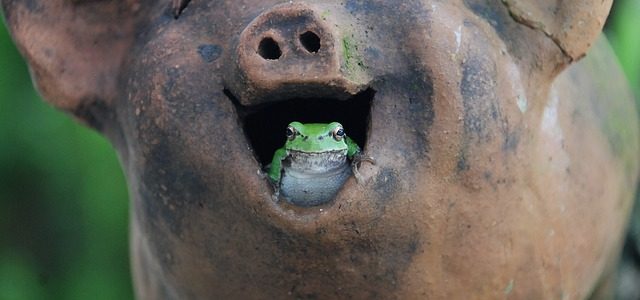




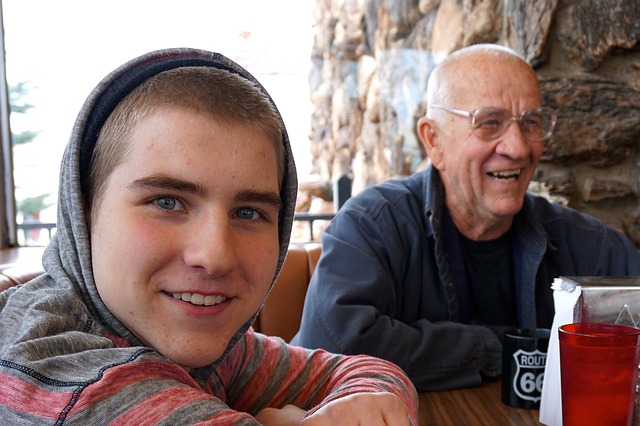 Whenever you are out and about, pay attention. In cafés, in waiting rooms, at the supermarket or on a lonely country road. Notice with all the senses. I listen in on conversations at Tim Hortons, or between the cashier and the shopper, moms at baseball games and GO train passengers. I notice the words and phrases they use, the topics they discuss and the reactions of those around them.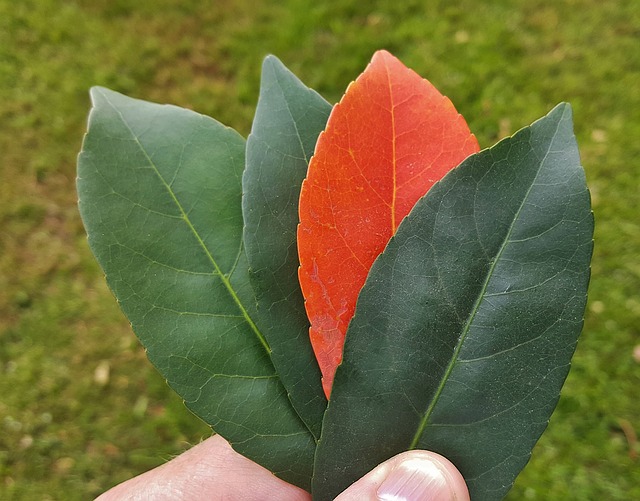
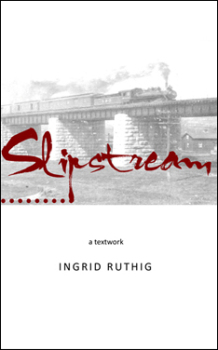 My good friend, Ingrid Ruthig taught me an important lesson about observation: the same thing can be different. The basis of her book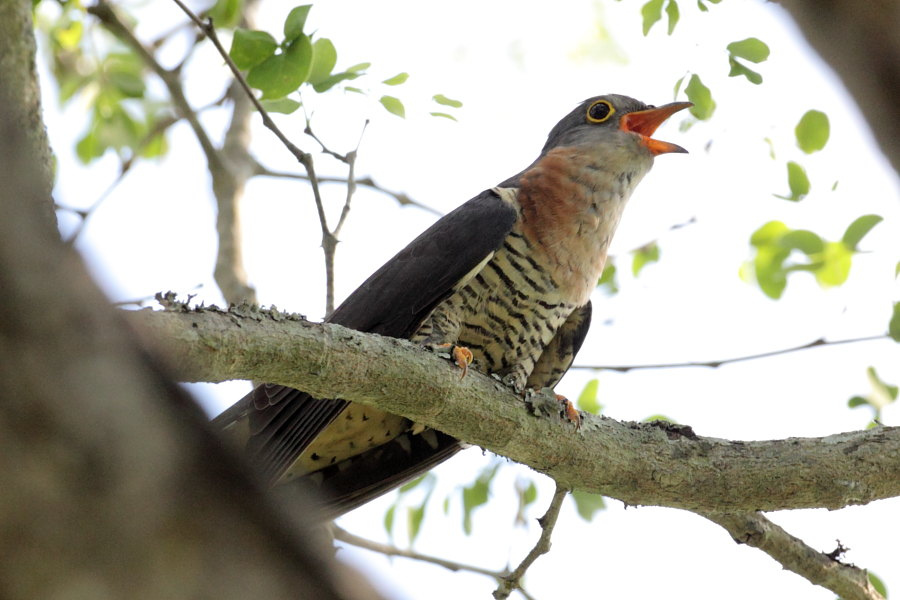

 And I’m waiting to see if, like the lilac Jacarandas, the red flamboyant trees will lose their blossoms in the storm that is now brewing on the horizon.