Heather M. O’Connor
When Richard Scrimger came to Turning Leaves a couple of years ago, he told us, “Writers are liars and thieves.”
He meant, of course, that the best stories are partly made up, and partly built on stolen bits of real life. Readers want to believe your lies. You can tell the most outrageous whoppers, from a theme park with cloned dinosaurs to a school for wizards. As long as the stolen bits ring true.
Steal what you know, research what you don’t
Take my novel Betting Game, for instance. It’s the story of an elite soccer player who gets mixed up with illegal gambling.
I could lie and steal with panache about soccer. I play. My kids play. I watch the sport on TV. But illegal gambling? That was a central part of my novel’s plot and characters, and I didn’t know a thing about it. Nada. Zip. How could I make my story believable?
Who ya gonna call?
I needed a subject matter expert. Someone in the biz. But not the gambling biz. A “reliable narrator” if you know what I mean. Someone in law enforcement. It took time to track down an expert, but what he told me was invaluable.
Looking for an expert of your own? Here are the steps to follow.
Go surfing
Begin your search online. I started by studying news stories. Who was quoted on the topic? Who went to court?
Your expert may speak at industry events and conferences. Check continuing education classes and LinkedIn, too.
 Tap your network
Have you asked your friends and family if they know an expert? I was stunned to learn that one of my teammates was once a CSI investigator in New York City. (She now teaches forensic science and invited me to a crime scene class. Coolest writer field trip ever!)
Don’t forget your local librarians—they’re walking encyclopedias.
Do a little digging
Once you locate subject matter experts, don’t waste their time. Pick your own brains before you pick theirs.
Prepare a list of open-ended questions that require more than a yes or no answer. Try to think up a couple of questions they may never have answered.
Email your questions and a short synopsis of your story a day or two before the interview. This gives the person time to mull over answers and think of interesting anecdotes.
Don’t be shy
Relax. Chatting with a subject matter expert is easier than it looks.
People like talking about their jobs. Though they find their work fascinating, their friends and family may not. You provide a rare treat—an enthusiastic audience.
 Take note!
I prefer to interview in person or by phone. People have more to say when they don’t need to write it all down. You also have a chance to ask follow-up questions when you’re talking live. Email interviews are very limiting. They’re best for confirming facts.
I usually record my interviews, as long as there’s no objection. Most smartphones have an app for that. I also take detailed notes.
Say thank you
Remember to thank your expert for taking the time to share their knowledge and expertise. Send a thank you note. If their help was significant, include them in the acknowledgements, and consider sending them a copy of your book.


 Using real settings—real towns or cities, real street names, real landmarks— can seem easy because you have everything created already. You don’t have to invent culture, landmarks or names. If you mention the CN Tower or Westminster Abbey, you need only give a few details, and readers can fill in the rest.

 nds dangerous and the crush of crowds that make it hard for her to keep track of her child.


 ing to find the beach ball of the greater eye within the drawing. It looked wrong, that was all. Unbalanced. I had drawn the eye of a crazed murderer, a horror-movie clown. And it was staring at me.


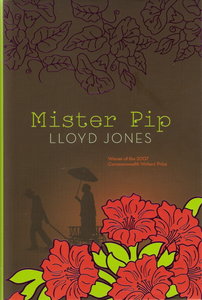 One of my favourite “cameo characters” is a woman known only as “Daniel’s grandmother” who comes to share her wisdom with Mr. Watts’ class in Lloyd Jones’ book Mister Pip:


 Rummaging around in discarded ideas will invariably turn up something unexpected, surprising, fun or usable.
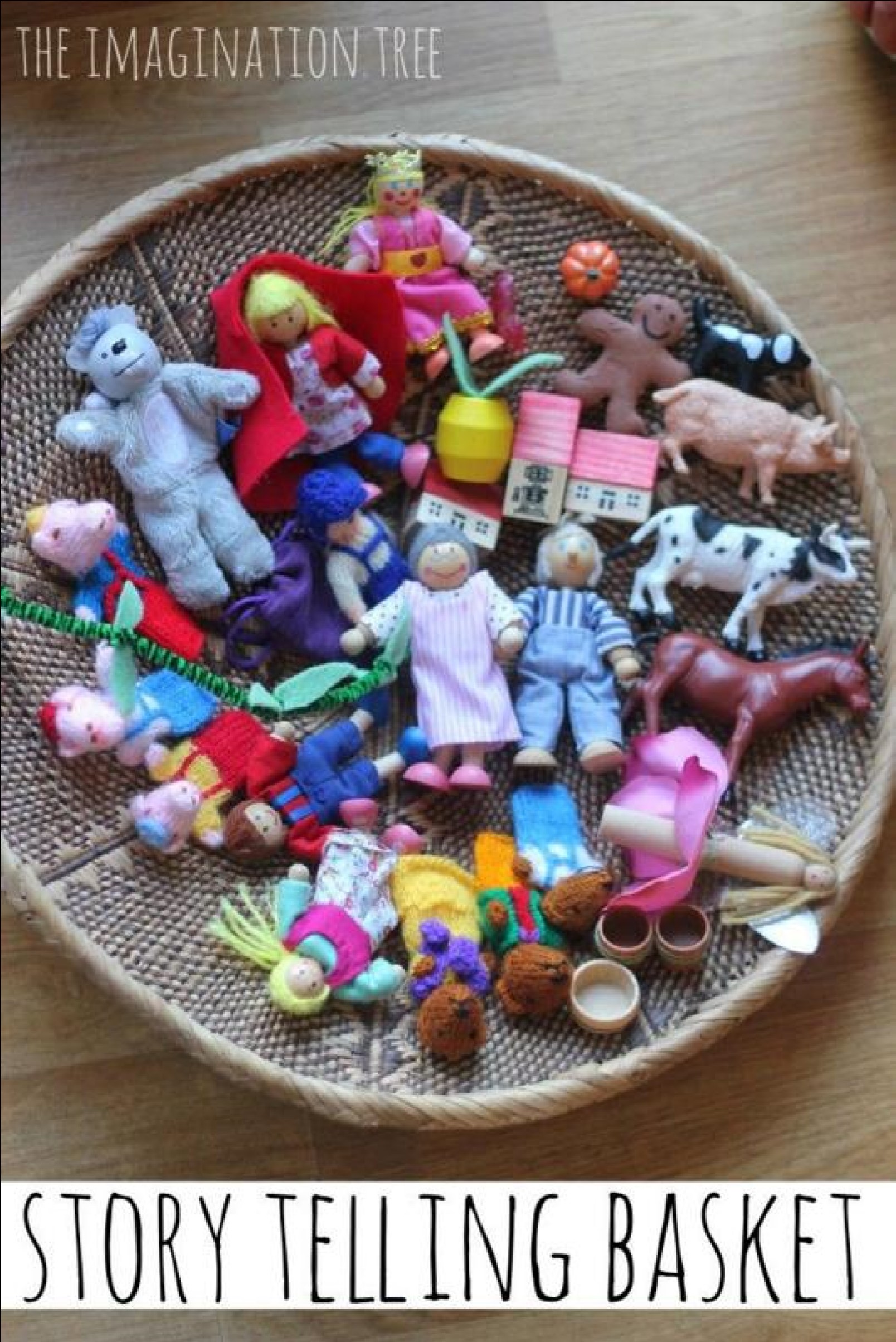 py file folder: for ideas scribbled on napkins and other scrap bits.
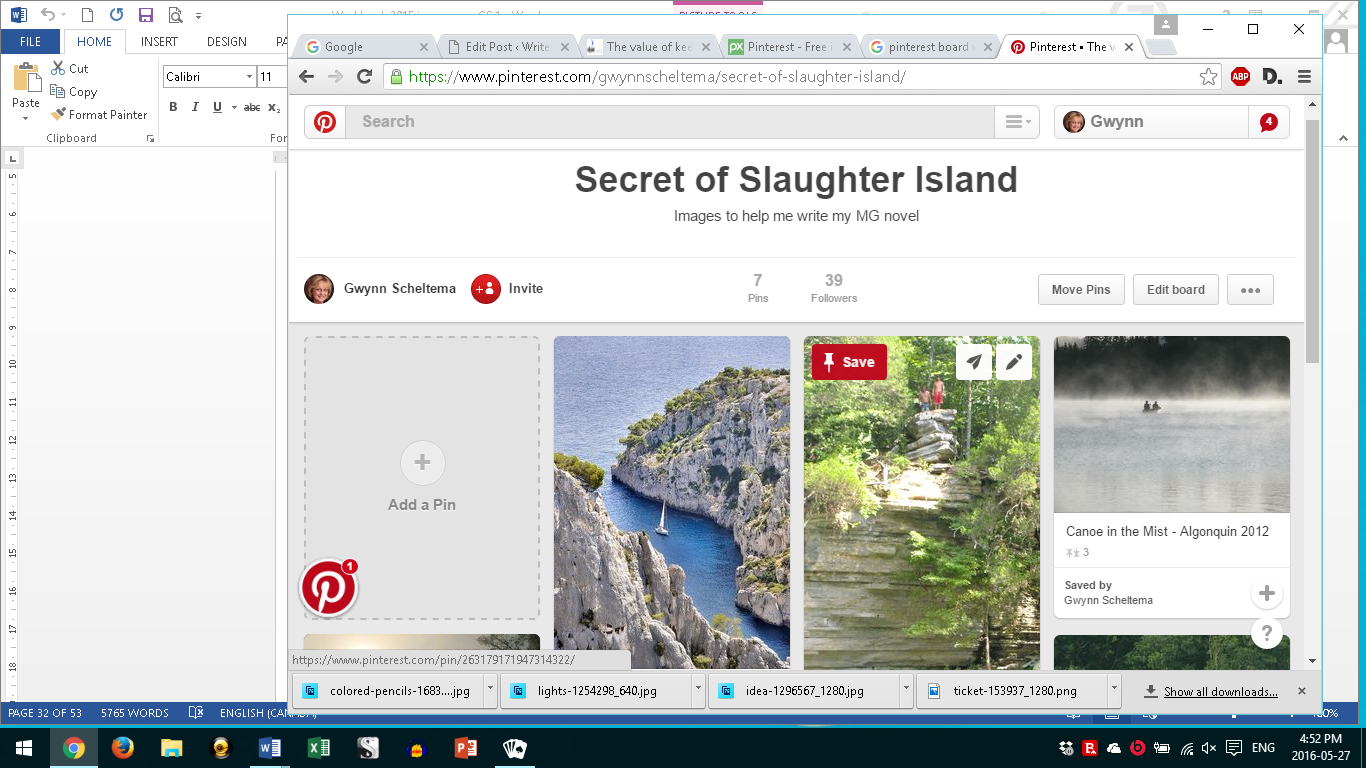
 o random pictures and write a scene that will somehow link them together.

 At first, I couldn’t write about my experience. The feelings were too raw. The emotions too heightened. I had no perspective on what had happened to me and what it meant in the grand scheme of my life. If I had tried to write about my divorce when the process began four years ago, it would have been an angry jumble of words. Words I may have regretted sharing one day.
 I had worked through some real lows with my therapist and eventually came to realize that I wasn’t actually worthless and unloveable. Among the lows were some really bad dates and the feeling that I might never find love again. That was a terrifying thought: not knowing how my story would end or if the eventual ending would be happy. But there were some highs, too: taking my boys on a road trip all by myself, being accepted into a Masters of Fine Art in Creative Nonfiction program, meeting someone special and watching our kids grow to care for one another. I wouldn’t trade these experiences for anything.
 I began scouring my brain for different angles, different facets of my story to share with new audiences. I pitched certain ideas to certain editors, and I followed up and followed up and followed up until I began selling pieces.


 Lately, I’ve been trying to increase the number of steps I walk each day. I bought a pedometer to record them. At first I just went about my regular routine to see what I was achieving already. Sad. Very sad. Some days I didn’t even break 500!
 At first glance, if you do the math, an 80,000 first draft written over a year, five days a week, 50 weeks in the year, would only require a measly 320 words a day! A 100,000 word book is only 400 words a day.