

Gwynn and Ruth are on vacation for the next couple of weeks. So we’re bringing back a couple of our favourite Top Drawer topics to share with new readers and to nudge long-time followers. This week is Ruth’s May 2016 post on finding inspiration. So get out there this summer and give your muse a change of scenery too.
Ruth E. Walker
I recently delivered a workshop at a writers’ conference: From Inspiration to Publication. In 2.5 hours, I was supposed to shine a light on the path almost every writer dreams about: being published. Frankly, this path can never be illuminated in such a short time. In fact, I could plug in a dozen klieg lamps and have an infinite amount of workshop time, and I’d still leave the bulk of that path in shadows.
No two writers have identical paths
 That’s because for each writer, the path to publication is individual and endless. And it is filled with missed opportunities, wrong turns and dead ends. But for successful writers “publication” is not a single event. It is a series of acceptances, right turns and new paths that keep them inspired through all the rejections and disappointments.
Successful writers keep shining their headlights down that path because they know two things:
- getting published should not be a one-time goal, and
- they only need to shine their light forward to keep going
 For even the best writers, it is a frustrating journey.
It’s beyond discouraging to repeatedly receive rejections. So how to keep your muse motivated? Finding and then holding on to your inspiration can be key to keeping your light shining down the writer’s path.
So let’s get started.
- Leave your comfort zone behind: a change of place, space or pace can allow inspiration to sneak up and surprise you; if you can’t change your environment (travel or try out writing in a coffee shop, for example) give freefall writing a try (timed writing with no editing, no stopping, no internal editor allowed.) You’ll be amazed with what happens when you let yourself go to follow the energy.
- Visit a used bookstore and browse: old book titles, names of authors, a line from a book and even the smell of old paper can trigger ideas.
- Find contests with deadlines: a contest theme can trigger plenty of writing or, even better, remind you that you have a story on file to fit that theme!
- People watch with a notepad: keep to reportage (just the facts) to record the behaviour, clothing, dialogue that passes by. Pull it out and flip to a random page when you need to nudge your muse.
- Visit graveyards and museums: imagine the stories behind all those dates and names (old gravestones and small local museums can be especially intriguing.)
- Read outside your interests: essay collections, science journals, biographies, and so on will let you tap into a rich vein of interesting topics.
- Get out into nature and leave technology behind. If the landscape doesn’t trigger your muse, being in the open air with only scenery to distract you just might be the space your creativity needs to surface.
Inspiration for writing can come from so many places that I could keep writing this post for weeks. But what these tips all have in common is encouragement to explore. Writers are the adventurers on the open seas of life: we travel in our imaginations and write all about it. If you keep your light pointed into the distance then you should always be ready to find your stories.
About Freefall Writing
Freefall writing was first coined as “Mitchell’s Messy Method” by W.O. Mitchell (Who Has Seen the Wind) when he taught creative writing at university. It became “freefall” over time. There are variations used by many creative writing teachers, but when Gwynn or I lead a freefall, these are our main points:
- Be present (meditation before you start is helpful) and follow the energy
- Write what comes up
- Use the senses — taste, touch, smell, sound and sight
- Be specific — not “the car” but “the fire engine red two-door convertible”
- Keep writing even if all you can start to write is: I can’t write. This is dumb. Why am I doing this? –eventually, the tension will trigger new energy for you to follow
- Resist the editor — don’t stop to “fix” things
- Go Fearward — W.O. Mitchell’s best advice ever
Freefall prompt and exercise: Set your timer for 20 minutes. Close your eyes and allow yourself to be quiet and still. Count backwards slowly to zero from fifteen. When you get to zero, start your freefall writing with this opening sentence:
The door opened and I stepped inside.



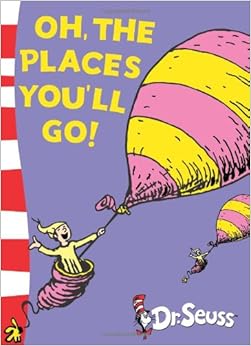
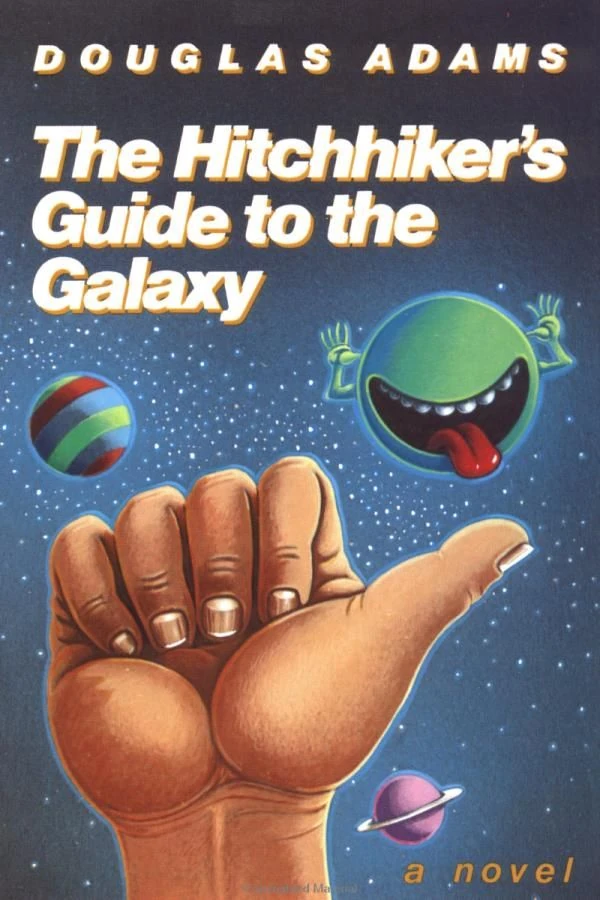 Edward Lear and Lewis Carroll popularized the form in the late 1800s, but more contemporary examples can be found in the “Vogon” poetry found in Douglas Adams’s
 The people of Spain think Cervantes
 This sample from

 Twas brillig, and the slithy toves
 In 1846 Edward Lear’s
 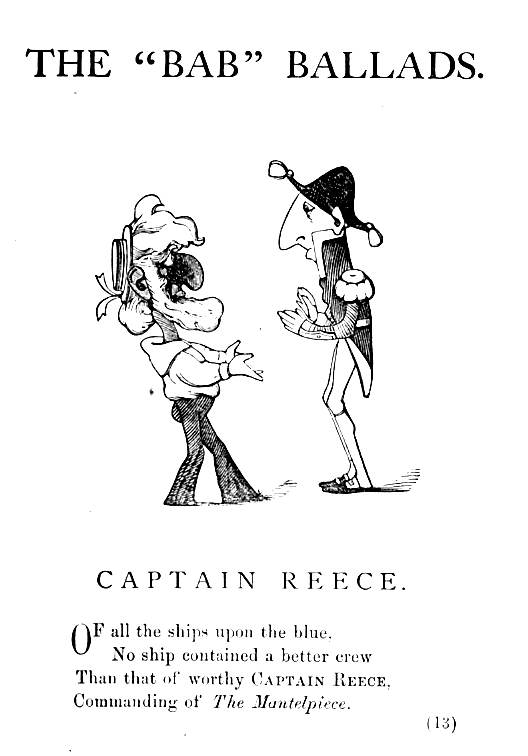 n the late 1800s Lewis Carroll introduced nonsense poems, like
 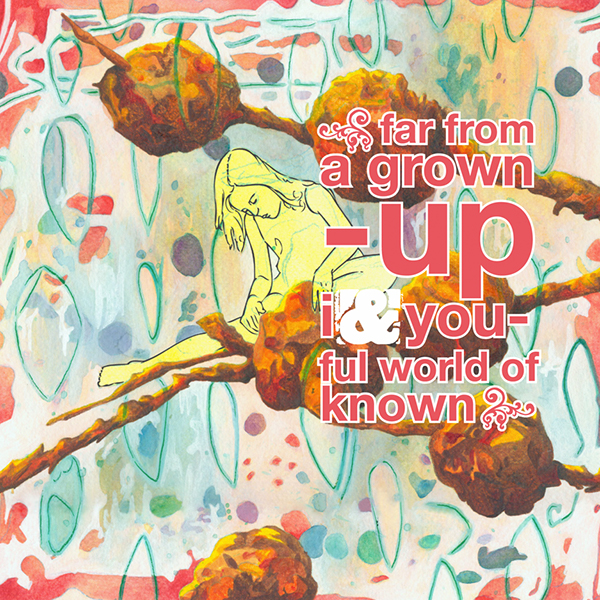 n the 1900s, poetic forms introduced by Dadaists, Futurists, and Surrealists, and the distinctive techniques of the Beat poets and


 But our family has also been touched these past weeks with the news of terminal cancer. Many of us in this situation feel the helplessness of not knowing what to do or what to say.
 His article explained that storytelling encourages imaginative responses even from dementia patients who have forgotten the names of their loved ones; that suspenseful wondertales can help patients with severe depression “regain their desire to discover what happens next — in the story, and in their own lives.”
 When I was a young woman, it seemed to me that biographies and to a lesser degree, autobiographies, were the only source of “life stories.” And to make it into book form, the subject life had to be a famous one: great achievement, great adversity, great discovery and such. Today, I have noticed that memoir stories abound. Stories still of great achievement, great adversity and great discovery, but stories from “ordinary” people. The kind of people I might know. The kind of lives I can recognize.
 The
The  Isak Dinesen said, “To be a person is to have a story to tell.” So throw off any thoughts of “my story isn’t worth telling.” It is. In writing or orally, tell your story as only you can tell it.
 When I looked at the perfect little face of my new born granddaughter, Elle Irene, I saw my son in her blue almond eyes. I saw my daughter-in-law in her pretty bow mouth. And as I played with her extraordinarily long fingers, I wondered if the old wives tale that long fingers were portents of being a creative was true.
 I believe that both statements speak to the uninhibited ability of children to express themselves. The older we get the more our actions are governed by social expectation, by self-assessment, by perceived judgement by others and by personal emotional baggage. Sometimes that frees us. Sometimes it restricts us. Whatever the outcome, that aspect of being creative is a learned attitude, a product of our environment and experience. It’s “nurture” at work.
 Another
  One of the best writing books about being creative I’ve read (and read again and again) is
  So has my granddaughter “inherited” creativity? I hope so, but I’m not going to sit back and assume so. I’ll be reading to her and telling stories, singing, doing crafts and playing music and anything else I can to help her along. I will encourage curiosity, confidence and flexible thinking and most of all, imagination.