Ruth E. Walker
Every year at Turning Leaves, our fall writers’ retreat, we invite a special guest to join us for the weekend. Usually the guest is an author but we’ve also had one of Canada’s top literary agents.
No matter who we have join us, they always bring inspiration and ideas to our participants. We thought it would be interesting to visit a few of our previous guests’ websites or blog posts, and offer you a peek into the people who bring their magic to Turning Leaves each year. Let’s start today with award-winning children’s author Richard Scrimger (Turning Leaves 2012).
Richard had to be one of the funniest guest authors we’ve had join us, posing in his unique way for our traditional group photo.
His website is a delight, especially his “nothing” link that links to, well, lately, it’s been a crazy excerpt from Shakespeare’s Much Ado About Nothing featuring Richard. Sort of.
But Richard is serious about the craft, and has written lots for adults with an acclaimed novel and recurring appearances in the Globe and Mail, Chatelaine and, most recently,Today’s Parent.
 Richard is also a highly successful author of award-winning books for young readers, from picture books to young adult novels. He’s recognized by librarians, booksellers and his many young fans for his snappy dialogue, intriguing characters and courage to take on difficult topics in a refreshing way. His most recent book, Downside Up, explores how a young boy deals with heartbreaking grief by travelling to an alternate universe.
On Richard’s website, the FAQs (frequently asked questions) are rich in humour and his trademark directness. Geared for his younger readers, there are some gems for writers of all ages. Here’s a couple of examples:
9) If you get ideas from other people, isn’t that stealing?
Yes. What’s your point?
9A) Isn’t stealing a bad thing?
No. Of course I don’t steal anyone’s words – that would be plagiarizing, and a very bad thing indeed – but I’m always on the lookout for a good idea. When I come to a really interesting bit in a book or a movie, I think: How did the writer do that? Then I try to figure out a way to use the idea myself.
17) What advice do you have for someone who wants to become a good writer.
This one is easy. In order to write well, you have to read well. Art is derivative. Your teachers are right when they tell you to Write what you know, but part of what you know is what you read, so I’ll say: Write what you read. If you love science fiction, try writing a science fiction story like your favorite author. Read everything. If they tell you to read a book, give it a try. If you like it, read some more by the same author. (If they tell you not to read a book – read it anyway. I’m no good at censorship. Hate literature is evil, but I figure you’re smart enough to spot it when you come across it.)
All right, I have time for one more question …..
 18) Where do you get your ideas?
Think of my head like a department store. I go through it floor by floor and pick out what I need to furnish my story. 1st floor: painful camp memories, humorous lunch-room episodes, first love, Christmas Eve, going to the beach. 2nd floor: yesterday’s newspaper, last week’s visit to the dentist, favourite books, meals, Simpsons episodes, dance moves. 3rd floor: that weird thing my friend Fuzz found in his attic, my aunt’s memory of the great depression, Grandpa’s best birthday ever, and so on. You can do this too. Your selection will be different, but the process of idea collection is the same. Don’t forget the Bargain Basement, where all the really scary stuff is.
 Needless to say, our weekend with Richard was a learning experience. It was also a lot of fun. In future posts on The Top Drawer, we’ll stop by the websites of some of our other guest authors. Poke around. See what we can find.
And share a few gems with you.
DID YOU KNOW?
At Turning Leaves writers’ retreat, our guests offer a Friday night fireside chat where we all get to ask questions and learn insights into the craft or the business of writing. And on Saturday morning, there’s always a hands-on workshop, created by our guests especially for our retreat participants.
Our 2017 retreat is nearly full but we still have a couple of spots open. All the lakeview rooms are taken but we have landview options or, if you’re located close by, we have a day rate available.

 Initially, it doesn’t matter. When you begin your first draft, story is key and the story will land in the genre it fits best. But once that draft is done, knowing your genre is important. You’ll need to know so you can fine tune your manuscript and pitch it to the right agent or publisher.
 Let’s take the crime/mystery genre as an example and the typical “dead body”. In a cosy mystery, your readers will expect to spend a few chapters meeting the inhabitants of a cosy community and getting to know the protagonist and her friends before the “dead body” is discovered. The actual killing will be off stage. In a police procedural mystery, the “dead body” is there by the end of chapter one. Readers may even witness the murder. It will be important to follow real police investigative and forensic procedures.
 1. Prepare a book jacket blurb
 With your book jacket blurb in hand, you have your main dominant story thread. Use that main thread to define the main genre. For instance, if your book involves a mystery and a romance, is the dominant story thread a classic “who done it” with a bit of romance thrown in for character growth? (mystery) Or is it really about a relationship blossoming between two people who happen to be solving a mystery together? (romance)
 Nail down the age group your book is aimed at: children, young adult, new adult or adult. If your manuscript appeals to more than one group, you have an age cross-over. (Think Harry Potter (children/adult) or Hunger Games (YA/adult).)
 One way to do this is to have two windows open, one on Amazon and the other on Goodreads. Read the blurb on Goodreads and then search the book on Amazon to see its classification.
 “Yes, Virginia, there really is a National Punctuation Day!”


 The use of humour reminded me of a poetry book I had as a child called
  //
// //
// //
//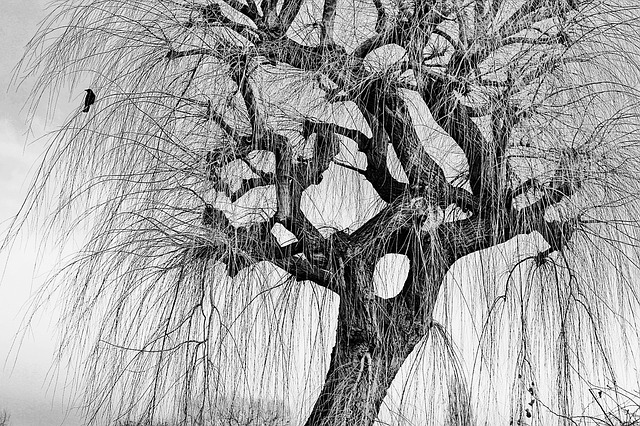
 The willow’s music is like a soprano
 Whatever you want to say,
 In just ten years, Vicki (also writing as Eva Gates) has more than 20 crime and mystery novels to her credit .
 Mystery novels really do fill the spectrum from light and fluffy to very dark indeed. Something for everyone in fact. Darker crime novels, such as psychological suspense, show the human psyche under pressure.
 At the moment, I’m writing mostly cozy books. Cozies are all about friends and family and community. The tone is much lighter, there is never any real danger to the main characters, and not much in the way of tragedy or angst. Sometimes a little dash of romance, but the friendships are all important. People love these books because they come to love the characters and the town they live in. And the food. Food and books are often important in cozy novels.
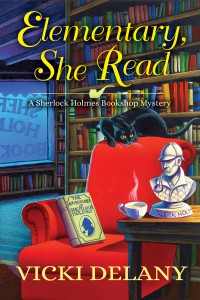 The hig
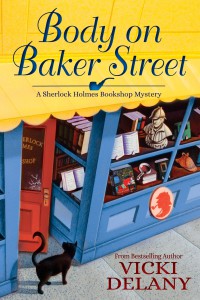 hly perceptive Gemma is the police’s first suspect, so she puts her consummate powers of deduction to work to clear her name, investigating a handsome rare books expert, the dead woman’s suspiciously unmoved son, and a whole family of greedy characters desperate to cash in on their inheritance.
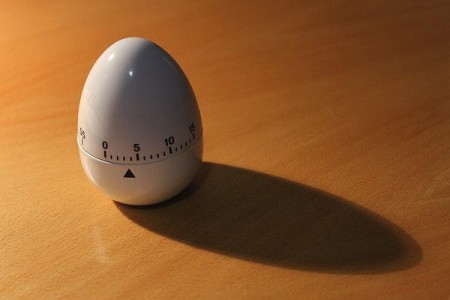
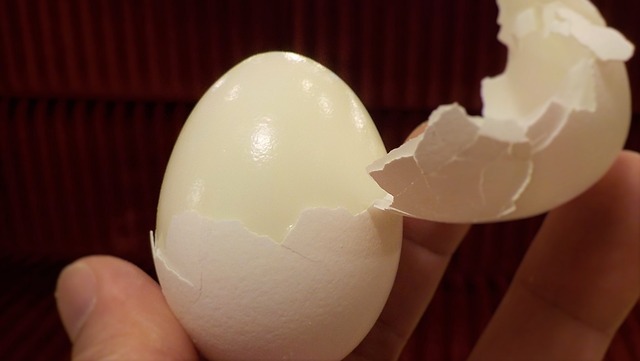 Then it’s time to start to write. I walk into the dining room and stand at my Netbook computer which is on the half-wall between the kitchen and the dining room. As I pass through the kitchen, I put one egg on to boil. (In the summer, I might sit outside on the deck). I always write, standing up, on the Netbook. I read over everything I did the previous day, doing a light edit as I go. I then take my egg into the study and eat it while checking email.





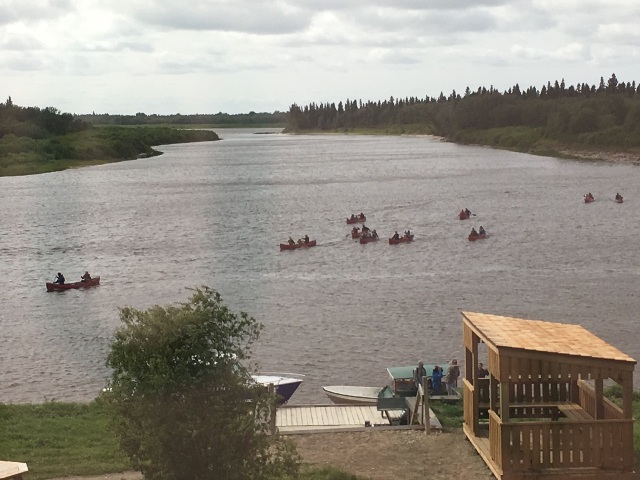


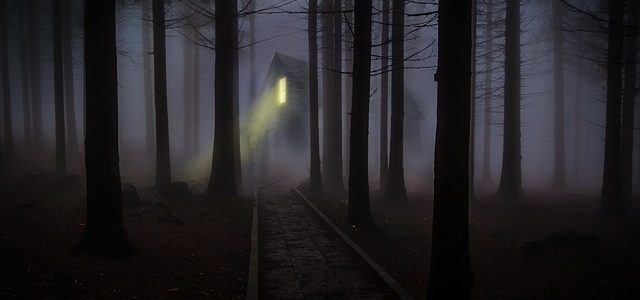
 There are many things you can do on your artist’s date. Because our creative brain is a sensory brain, anything that stimulates the senses or fires up the imagination will work: a walk in the park, making soup, lying on your back and watching clouds, going to a food or music festival. It doesn’t matter as long as you do it mindfully.
 This Crime Writers Festival showcases nine Canadian women authors of crime and mystery. On Friday evening at “The Mysterious Affair,” a table-hopping event introduces each of the authors in turn:
 Often when you begin writing about the subject of the prompt — say swimming in a lake — it can take you somewhere else — say an experience of drowning or crab baskets in Italy or how your father never believed in taking vacations. Go there. Forget the prompt and go where the energy is.
 Switch it up
 Write what you know
  Be specific
 Lists
Lists
 ok
ok  If writing is important to you, it needs to be built into your routine in the same way that you build in any other important activity in your life. If you need to schedule writing time like dental appointments, piano lessons, or hockey practice, do it. Think of writing as your “job” and block out set times like you would if you were going to work.