

It’s Writescape’s 10th anniversary and we have lots of excitement planned for writers in 2018. This installment of 10 on the 10th is the latest in the series of monthly writing tips, advice and inspiration. Think of it as Gwynn and Ruth sitting on your shoulder and nudging you along. Share with your writing colleagues and encourage them to sign up for more.
The best advice for writers is to read, and read widely. Dip your toes into styles and genres you don’t normally read and take note of how those writers crafted their work.
But you also need to read books about writing. Writing is a solitary act but it doesn’t have to be an isolated journey. Books that explore the craft and practical considerations of writing are great companions along the writer’s path. This is a list of 10 of the books that helped us at various stages of our writing expeditions.Obviously it is not an exhaustive list, just a toe-dipping exploration.
 Writing Down the Bones Natalie Goldberg. Gwynn’s first “writing book”, she’s reread it many times, as well as Goldberg’s other books in a similar vein Wild Mind and The True Secret of Writing. Writing Down the Bones helped Gwynn get her head around being a writer and trusting her muse. Nathalie’s Writing Practice method (like freefall) showed Gwynn how to go deep into her subconscious to find the good stuff.
A Passion for Narrative Jack Hodgins. It’s been around since 1991. And, sure, it’s meant for developing writers. But Ruth won’t ever let it go because it is the book that moved her from writer to WRITER. To quote her: It was like having him on my shoulder, nudging me along as I learned more deeply about the craft with every page I turned.
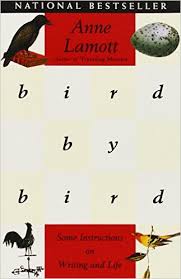
 On Writing Stephen King Ruth loved this one so much she got the basic book, the CD for listening and the large-print version in case her eyes give out. More than a how-to from a master of storytelling and horror of all levels, this book is a fine companion for any writer who loses their way.
 Plot versus Character Jeff Gerke. Gwynn writes from setting, then characters, and then tries to fit it all into a plot. This book recognizes both the pantster and plotter and leads them each through processes to a well-balanced novel: memorable characters and a good plot.
 The Emotional Craft of Fiction Donald Maass. After taking a workshop with agent and bestselling author, Donald Maas, Ruth was compelled to get his latest book. And it’s a doozy with examples and exercises to sharpen your emotional intelligence as a writer, dig deeper in your scenes and keep readers reading.
 The Writer’s Journey Christopher Vogler is Gwynn’s go-to book on story structure. Evolved around the Hero’s journey concept, Vogler adds in what works in story that has come out of myths, fairy tales and movies.
 An Introduction to Poetry X.J. Kennedy and Dana Gioia, ed. — this is one of Ruth’s go-to’s whenever she’s feeling stuck with a poem. It’s a basic college-level textbook but one that’s filled with poems and the thoughts of poets on poetry and life. These are voices of a rich cultural diversity, from ancient times to modernity, all trying to figure out the world and our place in it.
 Fruitflesh Gayle Brandeis. While Gwynn also turns repeatedly to An Introduction to Poetry, she also finds this book of stories, meditations and writing exercises a constant inspiration when writing poetry. Brandeis seems to have the power to inspire, challenge and free the sensual.
 The Angela Ackerman/Becca Puglisi series (Negative/Positive Trait Thesaurus, etc.) Ruth has the Negative Trait Thesaurus and Gwynn has the Positive Trait Thesaurus (we share) but we’ve spoken with enough writers to know that each book Ackerman and Puglisi puts out has become a practical resource that goes beyond suggesting appropriate body language or emotional responses. Also great for those moments when you’re stuck and need to surprise yourself with your character’s good or bad behaviour.
We’d be remiss if we didn’t make note of our own writing resource book, Inspiration Station. Published in 2010 with Piquant Press it was packed full of prompts and ideas to keep writers’ pens moving. Our first non-fiction publication proved to be a popular handbook as one way to keep the retreat feeling alive long after writers packed up and headed home. It’s been through two printings and is presently sold out, but Inspiration Station has gone back to the revision table and you can look for a new edition and format next year.

 Implied Ending (Walk into the sunset) Many western genre stories end with the protagonist and companion “riding off into the sunset” and presumably to live and face another day, side by side. This kind of can be a fine example of show, don’t tell. An implied ending can be ambiguous. For example, Patrick deWitt’s
  Open-ended (Choose your own ending) with Frank R. Stockton’s 1882 story
  Happy Ever After (smiles all ’round) Of course, romance stories are supposed to end in this same way: girl gets guy or girls get guys (as many of Shakespeare’s romance plays end)… romance is all about love. And there are many forms of love — girl gets girl or guy gets guy — but not all of them sexual. And happy ever after doesn’t need to even centre around a romance. Indeed, once Gretel pushed the witch into the oven, she and Hansel reunite with their remorseful father and live, we are certain, happily ever after.
 Lesson (Pay attention and learn) Aesop’s Fables are all written with a moral lesson endings — that fox never gets the grapes and is sure they’re just sour anyways. Many fairy tales also have a moral or a lesson, sometimes it’s just implied like Goldilocks: Goldie, don’t go in strange houses or Red Riding Hood: Red, don’t talk to strangers and for Pete’s sake, Hansel and Gretel, don’t nibble on strange houses.
 Epilogue (Fortune teller reveals all) At the end of Offred’s narration in Margaret Atwood’s The Handmaid’s Tale, it isn’t 100% clear on whether protagonist Offred is being arrested or, as she believes, in the hands of an undercover resistance member on her way to freedom. However, there is an epilogue that helps us decide on that question — and gives us more information about the time in which Offred lived.


 1. Get the action going
 4. Keep your actions strong; beware the “-ly” adverb
 We default to the sense of sight. Try replacing visual details with ones of another sense.
 Identify any “writer’s tic” that you know you have. Phrases, descriptions, gestures and so on, rapidly lose their energy when they are overused or placed too closely together.
 Is it color or colour? Are they good neighbours or good neighbors? Writing for American readers, Australian readers or British readers? Incorrect spelling won’t please your publisher. Make sure your software is defaulted to the “right” English.