
Ruth E. Walker
Lately, I’ve been trying to change my sleeping habits to make room for reading at bedtime. Truth be told, it hasn’t gone as well as I hoped. I used to read before bed almost every night. But now? It’s a struggle.

Much of my working day involves reading as an editor. It’s a demanding task I enjoy and I’m pretty good at it. But it means that by the time I’m ready to hit the hay, my eyes are tired and my brain is fuddled.
Reading for pleasure at bedtime – reading to escape – I keep putting that off, reasoning “tomorrow night for sure.” I tried taking the task down to short fiction. I’ve tried reading on my Kobo. I’ve tried going to bed earlier. Sometimes, it works. But not consistently. And less and less often.
Why does my reading matter?
Reading was what brought me to language in the first place. And I feel a desperate need to find that excitement again. I can still clearly recall my mother’s finger tracking under the dark marks on the page. It was a flash of recognition, of connecting the sounds and words from her voice to those marks. “Look, Mommy. That’s the same one. A. And there’s another one. A. And that says and, right Mommy?” I was three years old.

In that instant, I recognized the power of the secret I uncovered. And soon after, I understood the power those words had to carry me away, open up new worlds and be something that belonged to me. Only to me.
As an adult, reading continued to feed my soul and when I read at bedtime, it seeded my brain with ideas and wild imaginings: the creative side of me.
Beyond the intrinsic value of me reading for my soul, my work as an editor benefits from reading polished, published work. But I must also read widely to be current on genre and discover new ways of putting sentences on the page. And it helps to keep my own voice separate when I edit other writers’ manuscripts. So, of course I read during the day.
Why does your reading matter?

Only you know your relationship with words and those first fledgling steps you took to books and reading. But I can be sure of one thing and if you can think back to those first books, so can you.
The more that you read and understood, the more your brain sparked with curiosity. Our developing brains needed that stimulation. Our imaginations needed to realize they were limitless. Our empathy and compassion needed books and stories to expand our humanity.
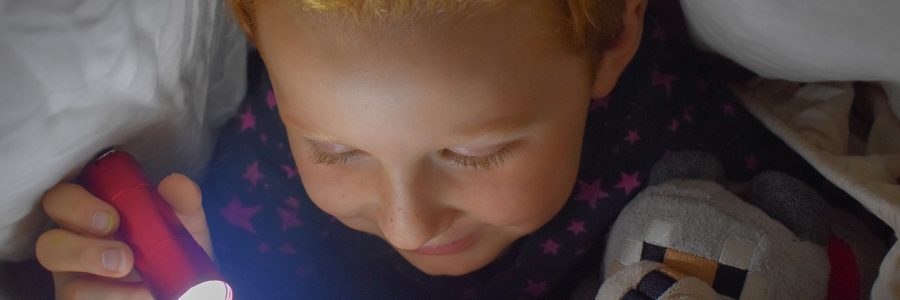
All of my 10 grandchildren have great relationships with books. From babies to toddlers to youngsters, books have formed a solid foundation. They pick the books. They enjoy the public libraries. And their parents read to them.

Books, storytelling and nightly bedtime stories are key to a child’s development. But it’s all part of the larger whole. The children’s publisher, Scholastic, shows how physical activities can support reading skills: patterns of clapping, foot stomping and movement help children recognize the rhythms and patterns in stories, for example.
But all that growth and development doesn’t stop with maturity. And I suspect my lack of bedtime reading has something to do with my so-so creativity. I can blame the editing workload, the garden makeover and the distraction of the pandemic all I want, but it’s time to get on with it. Time to get excited by the power of words — my words.
Time for a reading re-set
Last night, I took down from the shelf Frances Itani’s Tell. That novel has been on my shelf for three years, ever since I finished the last pages of her gorgeous novel Deafening. I kept the reading light on and read through the first couple of chapters — engaged and excited to rediscover the people of Deseronto post-WWI. And I put down the book, ready to sleep.
Tonight, I’m picking Tell up again at bedtime. I’m committed to gift myself with the time to read before going to sleep. May it be the first of many great books that will nudge my dreams and wild imaginings.
I’m making time to feed my slumbering soul.